Showing posts with label the cure. Show all posts

Tuesday, June 18, 2013

Various Artists-Marie Antoinette OST


Originally Written and Posted at Epinions.com on 10/26/06


The soundtrack to Sofia Coppola's 2006 film Marie Antoinette is a mix of classical music with elements of baroque to 1980s post-punk and new wave along with elements of modern ambient and electronic music. Supervised by Brian Reitzell, a longtime associate of Coppola, along with the assistance of longtime friend Stephanie Hayman. The Marie Antoinette Soundtrack is a 2-disc mix that pays tribute to not just the baroque, classical musical styles of the 18th Century but also a tribute to the late 70s/early 80s New Romantics movement that was inspired by 18th Century debauchery. While the soundtrack isn't as nostalgic-driven or haunting as The Virgin Suicides soundtracks or as engaging in an emotional as the Lost in Translation soundtrack was. The Marie Antoinette soundtrack is still one of the most amazing mixes of music assembled for a film.

The first two tracks in the first disc appear in one of the most amazing scenes in the film, the masked ballroom scene. Now the idea of post-punk and new wave music blasting in an 18th Century ballroom might seem radical in terms of what it's trying to do. Yet, given the rhythm and the energy of that kind of music along with the baroque, classical style of music. It makes total perfect sense. The first disc opens with Siouxsie & the Banshees' Hong Kong Garden that starts off a swift, orchestral number from Brian Reitzell before going into a vibrant, rocking track led by the Siouxsie Sioux's wailing vocals and elements of Chinese melodies that really captures the swirling energy of the ballroom dance. The first of three Bow Wow Wow tracks in the soundtrack comes in the form of their original song Aphrodisiac that features some great tribal drumming and intense rhythms led by Annabella Lwin's vocals as furthers the party vibe and energy of the scene as it's a great track.

The third track in the first disc is the Strokes' What Ever Happened? is a fine track that has features the Strokes' Velvet-like snarl and Julian Casablanca's vocals. Yet, for some reason, this is by far the weakest track of the entire soundtrack and it doesn't seem to fit in with everything else and once it's played on the film during a scene in the third act, it makes the entire soundtrack feel like a gimmick. Next is the first of three tracks from the Radio Dept. in the form of Pulling Our Weight. The moody yet shimmering track is filled with all of the post-punk elements of the 80s with melodic bass lines and dreamy vocals as the song's pop-like textures is filled with hypnotic synthesizer lines and guitar tracks as it's a wonderful standout. Next is the New Order song Ceremony written by their previous incarnation as Joy Division. With Peter Hook's melodic bass lines and hammering drums of Stephen Morris, it's one of New Order's finest songs thanks to the harrowing lyrics of Ian Curtis sung by guitarist/vocalist Bernard Sumner as the song reveals the emotional moment of celebration in all of its glory and naivete that also has a sense of foreboding through Curtis' lyrics.

Opening the film during the first shot of Marie getting a pedicure and through the opening credits is from the legendary post-punk band the Gang of Four with their track Natural's Not It. With its crashing guitars and hard-hitting rhythms, the song is pure post-punk in all of its angst and momentum as it's the song that brings the film right to an energetic momentum led by some snarling vocals. It's a great post-punk classic. Next is the famous cover of the classic I Want Candy by Bow Wow Wow. With its tribal, Bo Diddley beats, and the punk-like energy of the guitars, the song is an 80s classic. For this soundtrack, the legendary but reclusive leader of My Bloody Valentine, Kevin Shields gives the song a rocking remix. Shields' remix adds more echos to the vocals and reverbs to the guitars that gives the song more of a rock edge as in the end, it's still the same song but with added touches. Adam & the Ants arrive with Kings Of The Wild Frontier that is real New Romantic with its tribal-like beats and snarling guitars from Marco Pirroni with Adam Ant's wailing vocals that features vocals of 18th Century decadence that seems to go perfect with the film's tone as well as the look of Count Fersen.

The soundtrack then briefly shifts to the world of classical music with a cut from composer Antonio Vivaldi. With musical direction from Brian Reitzell and conducted by Roger Neill, Concerto in G is a wonderfully rhythmic, vibrant cut that features swift violin and cello riffs that definitely fits in with the energy of post-punk and new wave. The Vivaldi cut is easily one of first disc's great standout tracks since its energy really plays well to the record and the film to give that aura of 18th Century sophistication. Next is the eight-minute The Melody Of A Fallen Tree from Windsor for the Derby that is basically a moody, hypnotic track with bass lines, synthesizers, and guitars that starts off as hypnotic instrumental before going into song mode with shimmering synthesizers and a slow rhythm as it plays as an emotional track where Marie is now in the world of Versailles.

The second track from the Radio Dept. is I Don't Like It Like This is a more electronic-driven ballad with hypnotic beats and synthesizers that plays to the same, moody tone with haunting vocals as it's another amazing track that plays to the emotions of Marie's young life. The final track in the first disc comes from the Cure's classic 1989 album Disintegration with the wonderful Plainsong with its opening, wailing synthesizers and Robert Smith's emotional vocals that plays well to the coronation of King Louis XVI and Marie in a wonderful, breathtaking scene.

Whereas the first disc is mostly song-driven and energetic while moody in some parts to the slower songs. The second disc is mostly instrumental with ambient, classical, and opera cuts while having a few songs in the disc. The second disc opens with a 37-second cut from longtime Coppola sound designer Richard Beggs and Brian Reitzell called Intro Versailles which is basically a layered mix of sounds ranging from bells chiming, horses trodding on the ground with birds to the wedding with church organs and such that add weight to the breathtaking introduction of Versailles. The first of two tracks from the Aphex Twin is Jynweythek Ylow which is an ambient track filled with chiming, scratchy melodies and rhythms to the wave of melodic, ambient keyboards from Richard D. James in this ominous instrumental. The first of three instrumental cuts from Dustin O'Halloran arrive in Opus 17 that is primarily an eerie, transcending piano cut that plays well to the atmosphere of 18th Century ambiance. Air contributes a track with their five-minute instrumental version of Il Secondo Giorno as it's mainly an ambient track with reverb, bass-driven synthesizer melodies and acoustic guitars as its wonderfully played to the moods and isolation in the world of Versailles.

The third and final track from Radio Dept. is Keen On Boys starts off with this wave of dreamy yet droning guitar crashes that harkens to the world of shoegazing with atmospheric vocals and hypnotic guitar waves accompanied by electronic beats. This is the best track from the Radio Dept. as the band brings a lot of moodiness and texture to the soundtrack and film. The second O'Halloran composition in Opus 23 is a more emotional, melancholic piano track that is filled with lower chords and a sadness that plays to the mood of Versailles and Marie's surroundings. The next classical cut comes from Fancois Cauperin called Les Barricades Mysterious that is basically a harpsichord track performed by Patricia Mabee and directed and arranged by Brian Reitzell. The cut is a fast-played harpsichord track that seems to go well with the times with its flourishing melodies and the imperfected sound that the harpsichord seems to sound.

The next track is a cover of Johnny Mercer's Fools Rush In from Bow Wow Wow. The original cover from Bow Wow Wow is more tribal in tune with their sound but the remix Kevin Shields gives sticks to the rhythm yet the music is replaced with a more shoegaze-like sound of reverb guitars and faster, electronic beats yet the vocals that Annabella Lwin are amazing. Played in a scene after the ballroom scene, it's one of the best cuts as its rhythm will keep listeners dancing. The second Aphex Twin instrumental is Avril 14th is a more piano-driven track that plays to the melancholia and isolation of the world in Versailles with its flourishing yet slow piano melodies that reveals the talents of Richard D. James. Another harpsichord-driven cut arrives in the form of Domenico Scarlatti with Mabee playing the cut and arrangements from Reitzell. K. 213 is a more melodic-driven track that plays to the atmosphere of Versailles in its ambiance that is slower than the previous harpsichord track but more flourishing. Squarepusher contributes an ambient cut in Tommib Help Buss that has the same, emotional melody like Tommib did in the Lost in Translation soundtrack but is more reverb in its keyboard melodies and less engaging yet it is a fine track from Tom Jenkinson.

Opera arrives in Tristes Apprets, Pales Flambeaux from the opera Castor et Pollux by Jean-Phillippe Rameau that's directed by William Christie with vocals by Agnes Mellon. The opera cut is flourishing in its bombast and arrangements yet the opera track is very sad led by Mellon's amazing vocals that convey the sadness in a scene late in the film when Marie is watching an opera considering the political situation her country is in. It's one of the best cuts of the film. Dustin O'Halloran contributes one more composition with Opus 36 that is another piano-driven track that features more, melancholic melodies with higher pitches in the chords that adds to the fall of Versailles and Marie's troubling moods. The final track is from the Cure in All Cats Are Grey that closes the film and plays in the final credits. With its slow, tribal beats and harrowing synthesizers, the song plays like the end of something with Robert Smith's eerie vocals and lyrics as it conveys death of where Marie would eventually meet her fate.

While it's not a perfect soundtrack thanks to the inclusion of the Strokes, Marie Antoinette is still a fine soundtrack with some great cuts ranging from classical to new wave. While other contributions from the classical department including an 18th Century instrumental from Phoenix and New Order's Age Of Consent (that was played in the film's teaser trailer) never made it to the final cut of the soundtrack. What Sofia Coppola and Brian Reitzell offered is still amazing in its variety while making it a great introduction to not just the music genres of post-punk, new wave, and ambient but also classical where those cuts are very inspiring. In the end, the soundtrack to Marie Antoinette is a must-have for anyone who's a fan of the film and the work of Sofia Coppola.


Sofia Coppola Soundtracks: Air-The Virgin Suicides - The Virgin Suicides OST - Lost in Translation OST - (The Bling Ring OST))


© thevoid99 2013

Monday, September 12, 2011

The Cure-Join the Dots: B-Sides & Rarities 1978-2001 (The Fiction Years)


Join the Dots: B-Sides & Rarities 1978-2001 (The Fiction Years) is a four-disc collection of the Cure’s B-sides and rarities the band made during their time with Fiction Records. Featuring nearly five hours of music, the box-set includes all of the band’s B-sides from 1978 to 2001 remastered along with soundtrack and compilation contributions and some rarities the band has made over the years. Through each of the four discs presented on the record, the box-set showcase the band’s evolution from post-punk upstarts to one of the most popular and influential bands of the alternative rock movement.

Disc 1 (1978-1987)

The first five tracks are B-sides from the Three Imaginary Boys era of 1978-1979 as it opens with the single 10:15 Saturday Night with its upbeat yet mid-tempo rhythm, washy guitars, and creepy lyrics led by Robert Smith’s calm vocals. The three B-sides for the single Boys Don’t Cry in its original 1979 release and 1986 re-release with the first being the swift, up-tempo Plastic Passion with its energetic punk-inspired performance. The fast-paced despair of Pillbox Tales and the reggae-inspired rhythm of Do the Hansa with its swinging guitar and melodic bass lines along with quirky lyrics. I’m Cold, the B-side to Jumping Someone Else’s Train, is another upbeat track with squealing guitars, bopping rhythms, and warbled vocals through dark lyrics that features Siouxsie Sioux on backing vocals.

The next three tracks are B-side from the 1980-1981 period of Seventeen Seconds to Faith with the first of those tracks being the B-side to A Forest in the fast-paced, guitar/bass-driven instrumental Another Journey by Train. The B-side to Primary in Descent is a chilling, down-tempo instrumental filled with low bass lines and swirling guitar drives while Splintered in Her Head, the B-side to Charlotte Sometimes, is a more rhythmic track filled with rumbling beats and eerie bass that also features Smith singing haunting lyrics. The next track is a rarity called Lament (Flexipop Version) is an electronic-driven track with pulsating beats, lush guitar and bass melodies, a swooning synthesizer, and somber vocals that was recorded specifically for a magazine called Flexipop back in 1982.

The next six tracks are B-sides that was made for the band’s 1982-1983 non-LP singles where five of those B-sides were collected for the 1983 compilations release Japanese Whispers. The first is Just One Kiss, the B-side to Let’s Go to Bed, with its rumbling rhythms, soothing guitars, and Smith’s soothing vocals that is filled with imagery-laden lyrics. The three B-sides for The Walk showcase the band’s progression into electro-pop with the synthesizer-warble of The Dream, the mid-tempo yet pulsating swoon of The Upstairs Room, and a re-recorded version of Lament that is driven more by its synthesizer and a broader production. The two B-sides for The Lovecats features the mid-tempo, jazz-piano inspired Speak My Language and the upbeat Mr. Pink Eyes that features swirling guitars, crashing pianos, and bopping beats.

The next two tracks are B-sides to The Caterpillar that includes the enchanting mid-tempo track Happy the Man and the more upbeat yet swanky Throw Your Foot that plays to the band’s fascination with psychedelic and new wave. The last five tracks on the first disc are material from The Head on the Door period that includes four B-sides and a track from the Half an Octopuss & Quadpus EPs. New Day, from those EPs, is a chilling yet bopping mid-tempo piece with layers of swirling synthesizers and wailing vocals. The two B-sides from Inbetween Days include the brimming The Exploding Boy, that features a saxophone, and the bombast yet synthesizer-driven A Few Hours After This with its orchestral layers of keyboards. The B-sides for Close to Me features the upbeat electro-warble of A Man Inside My Mouth and the more mid-tempo yet synthesizer-swank of Stop Dead that shows the Cure fully embracing pop in their own terms.

Disc 2 (1987-1992)

The first eight tracks of the second disc include six B-sides and two remixes made from the Kiss Me, Kiss Me, Kiss Me era. A Japanese Dream, the B-side to Why Can’t I Be You?, is an upbeat yet rumbling track with hypnotic guitar swirls and exotic lyrics. The two B-sides for Catch include the evocative, fluid synthesizer-driven ballad Breathe and the down-tempo yet throbbing A Chain of Flowers with its rich guitars and somber synthesizers. The two B-sides for Just Like Heaven feature the mid-tempo Snow in Summer, with its driving guitar and rumbling beats, and the upbeat yet melodic-swoon of Sugar Girl that features a wonderful array of keyboard arrangements.

The next three tracks are remixes of album cuts from Kiss Me, Kiss Me, Kiss Me that begins with a remix of Icing Sugar, from an orange vinyl bonus disc version of the album, that emphasizes more on saxophones and synthesizers rather than its rhythm. The extended 12” remix of Hey You!!!, a B-side to Hot Hot Hot!!!, features more beats and different placements on the instruments from the song. The Bob Clearmountain 7” remix of How Beautiful You Are…, from an album radio sampler, is a more polished yet shortened version of the song with more layers towards its keyboards. The rarity To the Sky, from a 1989 Fiction Records compilation Stranger than Fiction, is a lush mid-tempo track with rich arpeggio guitars, swooning synthesizers, and gorgeous vocals in tune with its dreamy lyrics.

The next four tracks are B-sides from the singles for 1989’s Disintegration with the first two tracks being B-sides to the U.K. single for Lullaby and the U.S. single for Fascination Street. Babble is an upbeat track with wailing synthesizers, driving guitars and bass, and snarling vocals. Out of Mind is an up-tempo, guitar-synthesizer heavy track with despaired vocals to play up to its dark tone. The two B-sides for Lovesong feature the lush yet pulsating 2 Late, that includes flourishing guitars, and the down-tempo yet guitar-driven Fear of Ghosts that features haunting lyrics sung quietly by Smith. The next three tracks are three different versions of the Doors’ Hello, I Love You, two of which were recorded for the Rubiyat album to celebrate Elektra Records’ 40th Anniversary. The first version is an unreleased version that is set in an eerie, down-tempo version while the second yet official version is a more upbeat, rocking version and the third is a punk-inspired, 10-second version.

The last two tracks are B-sides from singles for the 1990 Mixed Up remix album. The Never Enough B-side for the mid-tempo yet electronic-light Harold and Joe and a remix of Just Like Heaven, the B-side for the Close to Me remix single, that slows the song a bit for a smooth yet rhythmic take on the song.

Disc 3 (1992-1996)

The first seven tracks on the third disc are material made during the period for 1992’s Wish that includes six B-sides and a remix of an album cut. The two B-sides for High include the haunting yet ethereal mid-tempo track This Twilight Garden and the slight down-tempo yet gorgeous Play that are both supported by its rich production. The B-sides for Friday I’m In Love feature the swooning Halo, that includes gorgeous vocals and a wonderful bass line, and the up-tempo drive of Scared As You. The B-sides for A Letter to Elise contains the arpeggio-laden yet down-tempo The Big Hand and the mid-tempo bop of A Foolish Arrangement. The 12” Mark Saunders remix of Doing the Unstuck is a rarity that features more electronic flourishes and longer instrumental passages.

The next five tracks are contributions to compilations and soundtracks from 1993 to 1995. The first two tracks are different cover versions of Jimi Hendrix’ Purple Haze that was recorded for the 1993 Stone Free tribute album to Jimi Hendrix. The first version is an unreleased version that is more straightforward yet rocking while the second, that was for the tribute album, is a more electronic, mid-tempo version that is interesting but not as good as the other version. From the soundtrack to The Crow comes the exotic Burn that is truly mesmerizing while a cover of David Bowie’s Young Americans for an American radio compilation is a fantastic cover of the song that features a bass riff of Bowie’s The Wedding Song in the performance. From the 1995 soundtrack to Judge Dredd is The Dredd Song that is a slow yet lush electro-rock song that is a heart wrenching yet bombastic song.

The last three tracks on the third disc are B-sides to the single The 13th with the first being It Used to Be Me. The mid-tempo yet electronic-swirling song is a long but glorious B-side. The down-tempo Ocean, with its somber presentation, and the bopping yet swooning synthesizer-driven Adonais are also highlights where they prove to be better than some of the material from Wild Mood Swings.

Disc 4 (1996-2001)

The first three tracks on the fourth and final disc are B-sides to the single Mint Car with Home kicking things off that features lush strings and smooth mid-tempo rhythms. The down-tempo, guitar-drive of Waiting and the more brimming yet thrilling A Pink Dream are more indication of the material Smith could’ve chosen for the much-maligned Wild Mood Swings. The next two tracks are remixes that served as B-sides for different singles with the first being an electro-ambient mix of This Is a Lie, that appeared in the singles for the U.S. single for Strange Attraction and the U.K. single for Gone!. The second remix is for Wrong Number for its single that features more warbling vocals and pulsating beats that doesn‘t really go anywhere.

From the 1998 soundtrack to The X-Files film is More Than This, an electronic-driven ballad with melancholic lyrics and a throbbing electronic beats. From the 1998 Depeche Mode tribute album For the Masses is a cover of World in My Eyes that continues Robert Smith’s exploration with electronic music as he creates an exciting yet faithful version of the song. The next four tracks are rarities related to the 2000 album Bloodflowers that starts off with the bopping yet electronic-driven rarity Possession. The remixes for Out of This World by Paul Oakenfold and Maybe Someday by Mike Hedges, the latter for a promo CD single, has Oakenfold’s remix is a subtle, throbbing mix while Hedges’ is a bit all over the place in its placements of instruments. Coming Up, a bonus track from the Japanese/Australian version of the album, is a walloping yet guitar/keyboard-driven track that is filled with haunting vocals and esoteric lyrics.

The next three tracks are material made specifically for the 2001 greatest hits compilation as the first two are for different versions for the song Signal to Noise, a B-side to the song Cut Here. The first is the acoustic version that is a simple, mid-tempo version while the official recorded version is a more bass-heavy, shimmering take on the song. The remix of Just Say Yes by Curve is an unreleased rarity filled with pulsating industrial beats and driving guitars. The final track of the box set is an unreleased 2001 remix of A Forest by David Bowie associates Mark Plati and Earl Slick. The electronic-heavy mix with Slick’s wailing guitar is truly superb for the way the song is re-invented as it’s a fitting close to the entire set.

Released on January 27, 2004, the box set was well-received by fans and critics for the B-sides and rarities that is compiled. The album helped generate great interest for the Cure just as the band was to return months later with their self-titled album in June of that year. Yet, the box set was part of Robert Smith’s involvement with his former label Fiction in the supervision of reissues of some of the band’s albums from Three Imaginary Boys to Disintegration as of 2011.

Join the Dots is an amazing box-set of material from the Cure that hardcore fans will want to have. Notably as it offers all of the B-sides and rarities that they could have that was largely unavailable for years during the band’s hey-day. It’s also something that casual fans should look into as it offers up some amazing gems that is very superior to some of their studio cuts. In the end, Join the Dots is a sprawling yet fantastic collection of material from the Cure.


© thevoid99 2011

Tuesday, September 6, 2011

The Cure-S/T


After the release of 2000’s Bloodflowers and a greatest hits compilation in 2001, the Cure officially ended their relationship with their longtime label Fiction Records after a period that spanned for more than 20 years. During this four-year period between studio releases, the band went on the road for some shows including a two-night engagement in Berlin where the band played their famed trilogy of albums for Pornography, Disintegration, and Bloodflowers that was released for a DVD release in 2003. That same year, the band signed a three-album deal with Geffen Records as they began work on a brand new studio release with famed producer Ross Robinson, who had been known for his work with Korn, Slipknot, and At the Drive-In, for their twelfth studio release simply entitled The Cure.

Produced by Ross Robinson and band leader Robert Smith, the self-titled album has the Cure taking on a heavier sound filled with loud guitars and bombastic rhythm. Featuring a more livelier sound than in any of the previous albums due to Robinson’s desire to record the band as if they’re playing live in a studio. It’s a record that has the Cure going for something more intense performance wise while the lyrics has Smith continuing the dark themes he had explored over the years. The result is an excellent yet rapturous record from the Cure.

The album opener Lost starts off with Robert Smith strumming to a guitar as he sings “I can’t find myself” repeatedly into this heavy, mid-tempo track with Jason Cooper’s pounding drums and driving guitar and bass. The rest of the lyrics recalls dark lyrics of loss as Smith wailing through the song’s vocals. Labyrinth is a pulsating track led by shimmering keyboards, walloping beats, and swirling guitars as Smith sings through textured vocals. With its haunting lyrics filled with eerie imagery, it’s a song that exemplify the Cure becoming more intense musically and lyrically. Before Three is a mid-tempo track with driving guitars from Smith and Perry Bamonte along with bopping rhythms from Cooper’s drums and Simon Gallup’s loopy bass line. Smith sings in his tormented vocals to the song’s nostalgic-laden lyrics with elements of longing and anger.

The first single The End of the World is an upbeat yet mid-tempo song with pounding beats, soothing bass lines, and washy guitar riffs. Featuring heart wrenching lyrics filled with desperation through Smith’s soaring vocals as it‘s one of the band‘s best singles. Anniversary is a heavy, mid-tempo track filled with fluid keyboards from Roger O’Donnell with hollow yet rumbling rhythms and wailing guitar melodies. Smith’s vocals is calm for the song’s harrowing yet reflective lyrics as the song is carried wonderfully by its atmospheric production. Us or Them is an upbeat though intense rocker with pummeling beats and driving guitar riffs as Smith snarls through the song with his biting vocals to the song’s angst-ridden and confrontational lyrics.

The album’s second single Alt.end is an upbeat yet bopping track led by melodic guitars and bass with steady drum fills and Smith’s calm vocals. The lyrics feature themes of desperation and the desire to change as the song includes wailing guitar solos and a swooning keyboard in the background. (I Don’t Know What’s Going) On is a mid-tempo track with thumping beats, soothing keyboards and swirling guitar chimes as it features lyrics of confusion as Smith sings in his evocative style. The third single Taking Off is a soothing, upbeat track with washy acoustic guitars, fluid synthesizers, rumbling beats, and driving electric guitar wails. Smith’s vocals is presented in great form as it complements the dreamy yet adventurous lyrics.

Never is an up-tempo track with pummeling beats and sturdy bass line that is followed by swift yet driving guitar riffs as Smith sings the song’s lyrics about lovers trying to be something they couldn’t be for each other. The album closer is the ten-minute The Promise that opens with Smith’s screaming vocals and warbling guitar riffs. Featuring Gallup’s wobbly bass line, Cooper’s hard-hitting drums, and O’Donnell’s soft keyboards, the song is among one of the band’s darkest as it features devastating lyrics of heartbreak that serves as a fitting close to the album.

Released on June 28, 2004 to excellent reviews, the album was a modestly-successful album on a commercial scale proving that the band was still able to capture the attention of the music-buying public. With the band getting lots of attention by headlining the 2004 Coachella music festival and having their own tour called Curiosa with bands like Interpol, Muse, and the Rapture. The Cure was suddenly getting more attention than ever as they were also presented with a MTV Icon special for the band. Following the album’s release and Curiosa tour, Robert Smith decided to make some changes once again as guitarist Perry Bamonte and keyboardist Roger O’Donnell left the band in 2005. Smith decided to have the band become a trio for a while until former guitarist Porl Thompson returned to the group in June of 2005 as a four-piece for a series of festival tour dates in Europe.

The Cure’s self-titled release is a stellar yet captivating album from the band. While it’s a record that is among one of their finer, latter-day period releases with 2000’s Bloodflowers, it’s a record that fans can enjoy for its heavy sound and dark lyrics that is distinctive of the Cure. Yet, it’s a record that is flawed due to some of the production and mixing that drowns out some of the bass as well as its emphasis to be very heavy musically. Still, the Cure’s self-titled album is among one of their finer albums that might not live up to their hey-day of the 1980s and early 90s but provides enough moments for fans to enjoy.


© thevoid99 2011

Friday, September 2, 2011

The Cure-Greatest Hits


Greatest Hits is the Cure’s third full-length best-of compilation release that features many of the Cure’s hit singles. This time around, the tracks are chosen by the band’s leader Robert Smith as he picks sixteen (seventeen for the U.K. release) hits from the band’s more than 20-year career remastered for the compilation plus two new songs. The release also includes an additional disc of the same songs performed acoustically the then-current line-up of Smith, bassist Simon Gallup, guitarist Perry Bamonte, keyboardist Roger O’Donnell, and drummer Jason Cooper plus former drummer Boris Williams on percussions. The result is a superb best-of release from the Cure.

Opening the album is the upbeat Boys Don’t Cry with its bopping rhythms, driving guitars, and melancholic lyrics while a shortened version of A Forest shows the band embracing a dark sound with its ominous keyboards and Simon Gallup’s sturdy bass lines. The next three tracks are the new-wave inspired non-LP singles for the quirky Let’s Go to Bed, the electro-dance of The Walk, and the jazz-inspired The Lovecats which shows the band embracing pop music after moving away from dark, heavy Goth music. The next two singles from 1985’s The Head on the Door with the brimming, new-wave inspired Inbetween Days and the mid-tempo yet rhythmic Close to Me that features wailing horns for its single mix.

From 1987’s Kiss Me, Kiss Me, Kiss Me comes two of the band’s popular singles that includes the upbeat, synthesizer-wailing Why Can’t I Be You? and the evocative love song Just Like Heaven with its rich arpeggio guitars, somber synthesizers, and mesmerizing lyrics. The next two tracks from 1989’s Disintegration show the band returning to its darker, Gothic roots such as the creepy yet lush Lullaby and the heart wrenching Lovesong with its rich production and swooning keyboards. The hard-rocking Never Enough shows the band embracing full-on rock while the ethereal High has the Cure meshing their flourishing Goth sound with pop elements. The upbeat Friday I’m In Love has the band going full-on pop as one of the band’s more quirky upbeat songs to the more whimsical Mint Car that is really one of the band’s more underrated singles.

Wrong Number, from the 1997 compilation Galore, has the Cure experimenting with electronic music as it includes a wailing guitar solo from former David Bowie guitarist Reeves Gabrel. The next two tracks are the new songs the band put for this compilation with the first being Cut Here. The mid-tempo song with pulsating beats, swooning synthesizers, wobbly bass lines, and driving guitars is truly a superb song with Smith’s heart wrenching vocals filled with lyrics of loss and reflection. The second is Just Say Yes is a more electronic-driven track with swirling sitar melodies, flourishing keyboards, and an upbeat yet dance-driven rhythm as it features eerie yet eccentric lyrics as Smith sings through a warbled vocal mix.

The second disc includes all of the songs that appear in the first disc performed acoustically by the band plus former drummer Boris Williams, from the band’s period from 1985 to 1994, providing additional percussions as they perform the songs live in a studio. Many of the songs are given faithful renditions for these acoustic performances with Roger O’Donnell playing a harmonium and piano to maintain the stripped-down approach to the songs. For the electronic-driven stuff like Let’s Go to Bed and The Walk, the use of the harmonium and Williams’ additional percussion add more dimension to these songs. The Lovecats maintains its jazzy vibe while the additional cymbals and clanging percussions that Williams add help bring out the faithfulness of the song.

The acoustic performances are truly inspiring and lively as it allows Smith to be humorous as he talks a bit during the final moments of Close to Me. The overall presentation of these songs really show a wonderful dynamic to the Cure as it’s something fans will enjoy.

Released on November 21, 2001, the album was released in two different versions as the U.K. version included an extra track in The Caterpillar in the set as the release was well-received with fans and critics. Notably for the second disc in its acoustic set which was something Smith feel the fans would love. With rumors about the band disbanding still swirling around the record’s release, the album did mark the end of the Cure’s relationship with Fiction Records after being with the label for more than 20 years.

Greatest Hits is a wonderful best-of collection from the Cure as the acoustic disc gives something for the hardcore fans to enjoy. The record itself serves as a wonderful introduction to audiences new to the band as it provides many hits from the band’s career though previous compilations like Staring at the Sea and Galore cover more ground with the other songs that aren’t in the collection. In the end, Greatest Hits is an excellent best-of collection from the Cure.


© thevoid99 2011

Wednesday, August 31, 2011

The Cure-Bloodflowers


Throughout the band’s nearly 30-year career with changing line-ups and different musical styles to play up to their Gothic persona, the Cure had been one of the most enduring and popular acts from the world of alternative music through the 1980s and early 1990s. 1996’s Wild Mood Swings saw leader Robert Smith and the band take on an entirely different musical style that proved to be too much of a departure for longtime fans. With the response to the album lukewarm and another four-year gap between records happening, the Cure decided to return to more darker territory in tune with such classic albums like 1982’s Pornography and 1989’s Disintegration for their eleventh album entitled Bloodflowers.

Written and performed by the Cure and produced by Robert Smith and Paul Corkett, Bloodflowers is the band’s return to their dark, Gothic sound with heavy guitars, down-tempo rhythms, lush keyboards, and haunting lyrics. Considered to be the third part of a trilogy of albums that best defines the Cure, the record has a more ethereal yet simpler sound in comparison to the more lush Disintegration and the more nihilistic Pornography. The line-up that includes the same line-up from Wild Mood Swings, in longtime bassist Simon Gallup, guitarist Perry Bamonte, keyboardist Roger O’Donnell, and drummer Jason Cooper, allows the band to finally realize a fuller sound without the excessive ideas from that album. The result is a fascinating yet mesmerizing album from the Cure.

Opening the album is the somber, down-tempo Out of This World with Jason Cooper’s soft, walloping beats and Simon Gallup’s smooth, sturdy bass lines. With swirling electric and acoustic guitar flourishes from Robert Smith and Perry Bamonte along with Roger O’Donnell’s swooning keyboard, Smith sings the song’s nostalgic-laden lyrics to express the loss that Smith is feeling. The near 12-minute Watching Me Fall is led by heavy guitar wails, pummeling mid-tempo rhythms, and pulsating keyboard swirls. Featuring despaired lyrics that includes dark imagery, Smith sings the song as he’s surrounded by guitar solos and Cooper’s hard-hitting fills throughout the song. Where The Bird Always Sing is a throbbing mid-tempo track with ringing guitar arpeggios and driving acoustic washes and soothing synthesizers. Smith sings with calm vocals to the song’s dark lyrics filled with eerie description of a decayed world.

Maybe Someday is a slightly, up-tempo track with driving guitars and bass along with pulsating beats and wavy keyboards as it’s one of the album’s heavier tracks that is filled with soothing arpeggio melodies. The lyrics that are filled with fear and the reluctance to change includes some of Smith’s finest vocals in the way he expresses the lyrics vocally. The Last Day of Summer is a mid-tempo track with Gallup’s wobbly bass line, steady drum fills, soothing guitar arpeggios, and lush keyboards that help express the song’s melancholic tone through its lyrics. Smiths’ somber vocals help enhance the sadness as it serves as an appropriate song for summer’s end as fall arrives. There is No If… is an acoustic-driven ballad with soft, clanging electronic flourishes as Smith sings lyrics filled with longing and sorrow to express heartbreak. With some melodic piano and guitar arpeggios, it is one of the album’s highlights.

The Loudest Song is a soft, electronic-driven track led by smooth, thumping beats and swirling keyboards that meshes with melodic guitar chimes and driving riffs. Smith sings to the song’s melancholic lyrics filled with rich description as it’s mix of electronic and Goth makes it another of its standout cuts. 39 is a heavy, mid-tempo track with pulsating synthesizer melodies, pummeling drums fills, swirling guitars, and low bass lines. Featuring lyrics that describes the end of things with fire being its key word, Smith’s evocative vocals take charge to this haunting yet powerful song. The album closer is its title track that features Cooper’s walloping drum fills, swooning bass lines, and O’Donnell’s somber synthesizer waves. Smith sings the song’s haunting lyrics filled with images of death as he’s surrounded by layers of wailing guitar solos and arpeggio melodies as it serves as a fitting close to the album.

Released on Valentine’s Day 2000, the album was considered a return to form from the band as fans and critics praised the album though some speculated if it was the band’s final album. Particularly as Robert Smith said in interviews that he’s thinking of ending the band altogether as a tour followed to great acclaim. Yet, the album did mark the end for the Cure as it would be the band’s final studio release with their longtime label Fiction Records after a relationship that lasted for more than 20 years. A year later, the band released a greatest hits compilation that would officially mark the end of the band’s relationship with the label prompting more break-up rumors.

Bloodflowers is a remarkable yet intoxicating album from the Cure. While it may be the weakest of the three albums in the trilogy with Pornography and Disintegration. It is an album that is still one of their finest as it ranks somewhere with records like The Top, Seventeen Seconds, and Three Imaginary Boys that features some of their best work. Particularly as it has a production that works for these songs which was an improvement over the messiness of Wild Mood Swings. In the end, Bloodflowers is a superb yet evocative album from the Cure.


© thevoid99 2011

Monday, August 29, 2011

The Cure-Galore: The Singles 1987-1997


1997’s Galore: The Singles 1987-1997 is the Cure’s second full-length best-of compilation that preceded 1986’s Standing on a Beach/Staring at the Sea compilation that focused on the singles from 1979 to 1985. In Galore, the compilation focuses on the singles the Cure released from 1987’s Kiss Me, Kiss Me, Kiss Me to 1996’s Wild Mood Swings plus a brand new song written by the band’s leader Robert Smith entitled Wrong Number specifically made for the compilation. The result is a fantastic yet thrilling best-of album from the Cure.

The first four tracks are from 1987’s Kiss Me, Kiss Me, Kiss Me that had the band delving into their own style of Goth-pop as it’s one of their most accessible albums. Kicking the album off is the song Why Can’t I Be You? with its upbeat, new-wave style led by spurting guitars, bopping dance beats, and wailing synthesizers to play up Robert Smith’s wailing vocals. The ballad Catch with its soft yet hypnotic tone led by a soothing string and Porl Thompson’s arpeggio-laden guitar is one of the band’s key ballads. The upbeat love song Just Like Heaven is among one of the record’s highlights with its swooning synthesizers, flourishing guitars, and Smith’s evocative vocals. The single mix of Hot Hot Hot!!! with its swanky guitars, thumping rhythms, driving string arrangements, and Smith’s snarling vocals.

The next four tracks come from the band’s 1989 masterpiece Disintegration that harkens back to the band’s more darker sound of the early 1980s with a much broader sound in terms of guitar and keyboard textures. The ballad Lullaby kicks things off from that record with its slow, steady rhythm that is followed by plucking strings, fluid synthesizer swoons, and Smith’s whispering vocals to the song’s nightmarish lyrics. The single mix for Fascination Street with Simon Gallup’s intense bass playing, swirling guitars, pummeling beats and decaying lyrics provides one of the band’s key moments. Lovesong, which is the band’s biggest hit, is a soothing, mid-tempo track with heart wrenching lyrics about love that includes a soothing keyboard track. Pictures of You with its flourishing guitar arpeggios, somber keyboards, thumping rhythms, and Smith’s despaired vocals is another of the band’s highlights making it one of their key singles.

The next two tracks come from the 1990 remix album Mixed Up that includes a single mix of the hard-rocking Never Enough with its charging guitars, pummeling beats, and Smith’s angry lyrics as he sings with a great snarl. Next is an edited version of the Close to Me (Closest Mix) with a slower rhythm, soothing keyboards, and more horns in the track to play up its original, jazzy style. The next three tracks come from the band’s 1992 album Wish as the band balances the darkness of Disintegration with more simpler, pop elements that starts off with the single High with its arpeggio guitar and six-string bass melodies, bopping rhythms, and Smith’s evocative vocals. Friday I’m In Love with its melodic pianos, mid-tempo rhythms, driving guitars, and quirky lyrics is among one of the band’s most popular singles. The ballad A Letter to Elise with Smith’s despaired vocals, down-tempo rhythms, and clanging keyboard melodies is another of the band’s big hits proving they still can put out the ballads.

The next four tracks are from the 1996 album Wild Mood Swings where the band takes on a stylistic departure that includes the mariachi-laden The 13th that includes a swooning brass section, slow Latin rhythms, and Smith’s eccentric vocals. Mint Car, which is one of the band’s most underrated singles, is a song that has Smith singing very happy lyrics to its playful, upbeat style with melodic guitars and bopping beats. The mid-tempo dance of Strange Attraction with its clanging beats, sitar flourishes, and hypnotic dance rhythms is one of the band’s strangest tracks filled with weird lyrics. Gone! is another mid-tempo track that features a wailing brass section as well as slower rhythm along with Roger O’Donnell’s flourishing keyboards and Smith’s wailing vocals. The last track on the compilation is the new song Wrong Number that includes Jason Cooper’s pulsating beats with driving bass and guitars and flourishing keyboards that is followed by the charging guitars of Reeves Gabrels as Smith sings dark, humorous lyrics with his snarling vocals.

Released on October 28, 1997, the album was considered to be a great sequel to 1986’s Staring at the Sea/Standing on a Beach due to the hits it provided while Wrong Number was a hit in the U.S. Modern Rock charts. The album was also released with video collection for VHS at the time as it helped maintain the Cure’s popularity following the disappointing reaction towards Wild Mood Swings.

Galore is a superb best-of album from the Cure that features many of the band’s great singles from their most commercial period from 1987 to 1997. The compilation does serve as a great introduction to new fans while it’s best that it’s paired up with the 1986 album Standing on a Beach to get a more comprehensive collection of the Cure. Yet, the 2001 Greatest Hits collection does provide both periods though doesn’t feature as many singles that fans love. In the end, Galore is a thrilling compilation from the Cure.


© thevoid99 2011

Sunday, August 28, 2011

The Cure-Wild Mood Swings


Following the worldwide success of 1992’s Wish that was followed by a massively successful world tour, the Cure seems to be riding high proving they could stay relevant with the world of alternative music. During the European leg of the tour, longtime bassist Simon Gallup had to leave the group temporarily for health reasons as Shellyann Orphan bassist Roberto Soave took over for the remaining shows. After the tour, guitarist Porl Thompson left the group to become part of Robert Plant’s live band while drummer Boris Williams left in 1994 to pursue other ventures leaving singer/guitarist Robert Smith and guitarist Perry Bamonte to keep the band going.

The period between 1992 and 1996 would be the first of a four-year gap between albums for the band as Smith was also dealing with a lawsuit from former Cure member Lol Tolhurst over royalties and the band’s name. Smith eventually won his battle against Tolhurst while Gallup eventually returned to the fold after his recovery. With Smith asking former keyboardist Roger O’Donnell, from the Kiss Me, Kiss Me, Kiss Me and Disintegration period, to rejoin the band, the band were also seeking new drummers during the recording as Jason Cooper eventually filled in the role for the band’s tenth studio release entitled Wild Mood Swings.

Produced by Robert Smith and Steve Lyon, Wild Mood Swings is an album where the Cure stray away from the dark sounds of Disintegration and Wish for a more guitar-heavy sound with lush keyboards and upbeat pop songs. With many of the lyrical elements that Smith provides to be a mixture of moods and themes, the album has the Cure taking on different sounds. Despite the risks to change their sound a bit and take on different ideas, the result would be the Cure’s weakest album of their career.

Opening the album is the mid-tempo, guitar-driven Want with its slow, pummeling beats from Jason Cooper with swirling guitars from Perry Bamonte and Robert Smith. With Roger O’Donnell’s shimmering keyboard melodies and Simon Gallup’s throbbing bass, Smith wails through the song that includes lyrics of desperation with some lush keyboard swirls. Club America is an upbeat track with heavy guitar wails, pummeling beats from Louis Pavlou, and Smith singing in a low vocal style to the song’s humorous style. Despite its performance, the production tends to do too much for the guitars but not enough for the bass and keyboards. This Is A Lie is a ballad led by lush string arrangements and washy acoustic guitars along with a soft percussions from Ronald Austin as Smith sings the song’s morose yet exotic lyrics.

The album’s first single The 13th is an upbeat, mariachi-style track with throbbing percussions, washy acoustic guitars, exotic piano melodies, and a swooning brass section. Featuring Smith’s whimsical vocal style to match the song’s esoteric yet abstract lyrics about a weird girl as it’s one of the band’s weirdest songs. Strange Attraction is an upbeat yet mid-tempo song with hypnotic dance rhythms, clanging keyboards, and twangy sitar melodies as it features lyrics about a strange relationship with a delightful Smith singing the song. Mint Car is another upbeat track with spurting guitar chimes, bopping rhythms from Gallup and drummer Mark Price plus Smith’s excited vocals. The song’s lyrics recall a happier tone to what Smith is singing though it later has a sense of darkness proving its complexity as one of the band’s most underrated singles.

Jupiter Crash is a throbbing, down-tempo track with washy guitars and slow, walloping beats with a somber keyboard. Smith sings to the song’s dreamy yet melancholic lyrics as it’s a good song despite the emphasis to be extremely atmospheric in the production. Round & Round & Round is an upbeat song with washy guitars, bopping rhythms, and Smith’s yelping vocals filled with somber though abstract lyrics. Gone! is a mid-tempo track with a thumping brass section, steady beats and O’Donnell’s melodic keyboard spurts as Smith sings strange, imagery-laden lyrics filled with dark humor as it’s another of the Cure’s underrated songs. Numb is another acoustic-driven ballad with washy guitars, down-tempo rhythms, and soft keyboards that all follow Smith as he sings the song’s despaired lyrics of a man losing himself.

Return is an upbeat track with bopping rhythms, flourishing keyboards, driving guitars, and wailing brass as Smith sings in a delighted tone to the song’s complex lyrics filled with happy and sad moments. Trap is an upbeat rocker with wailing guitars, low bass lines, and pummeling beats from Mark Price as Smith snarls through the song to its angry yet melancholic lyrics. Treasure is a ballad led by soothing strings, Price’s soft beats, Gallup’s somber bass, soft guitars, and O’Donnell’s lush keyboards. Smith sings quietly to the song’s lyrics filled with longing desperation. The album closer is the near eight-minute ballad Bare with its soothing acoustic guitar washes, wobbly bass lines, steady drum fills, and flourishing keyboards. Smith sings the song’s melancholic lyrics filled with themes of fragility that is accompanied by lush strings to help close the album.

Released on May 6, 1996, nearly four years after the release of Wish, the album received mixed to lukewarm reviews from fans and critics over the stylistic departure the band took. Though it would sell a million copies worldwide, it was considered a major disappointment following the sales for Wish four years earlier. Despite the tepid response to the album, the Cure still managed to remain a popular touring act as they played all over the world including South America for the first time to a great reaction.

Despite some good performances and a few great songs, Wild Mood Swings is a decent but extremely inconsistent album from the Cure. It’s a record that is hampered by a lack of a cohesive direction along with some bad production that often drowns out the bass and keyboards in favor of heavy guitars and drums. Among the many studio albums the Cure has released, this is their most lackluster as there’s not a lot of memorable material as some of it seems to be a rehash of things while the lyrics aren’t as engaging as some of the highlights in this record. In the end, Wild Mood Swings is a record that has some moments but definitely the weakest recording the Cure has made in their career.


© thevoid99 2011

Wednesday, August 24, 2011

The Cure-Paris


Paris is the second of two live albums the Cure released in the fall of 1993 chronicling the band’s tour for their 1992 album Wish. Unlike its predecessor Show which focused largely on that album plus various hit songs, this record focuses more on the band’s earlier records plus rare album cuts as the band plays the song live at Le Zenith de Paris on October of 1992. The result is a much more fascinating yet exhilarating live album from the Cure.

Opening the album is the down-tempo yet brooding The Figurehead, from Pornography, that features a slow, rumbling drum fill from Boris Williams along with Simon Gallup’s driving bass line. Featuring swooning, arpeggio-laden guitars from Robert Smith, Porl Thompson, and Perry Bamonte, Smith sings the song’s morose lyrics of despair for a calm yet fiery performance from the band. One Hundred Years with its blaring guitars, pummeling rhythms, and somber keyboards take charge as Smith sings the song’ nihilistic lyrics as it’s one of the album’s highlights. At Night, from Seventeen Seconds, is a mid-tempo song that includes a droning guitar drive with steady beats and an ominous synthesizer to help maintain the dark tone of the entire show with Smith singing the song’s haunting lyrics.

Play for Today is a more up-tempo track that is led by sputtering beats and Simon Gallup’s wobbly bass line that is followed by washy guitars and a soothing synthesizer lines that the crowd sings to as Smith snarls through the song with his vocals. Apart is an eerie ballad with a slow, throbbing rhythm, flourishing guitar arpeggios, smooth synthesizers, and Smith’s calm vocals. In Your House is a mid-tempo track with a bopping rhythm, ringing guitar melodies, and soft synthesizers to play up the song’s melancholia. Lovesong, from Disintegration, is among one of the highlights with great cheers from the audience as the mid-tempo love song with its calm, mid-tempo rhythm and presentation is among one of the highlights of the record.

Catch, from Kiss Me, Kiss Me, Kiss Me, is led by Bamonte’s swooning synthesizers and Williams’s soft, cadence-like drumming as Smith sings the heartwarming ballad with driving guitars and quiet bass lines. A Letter to Elise arrives as the mid-tempo ballad filled with swirling guitar flourishes and throbbing rhythms while Smith sings the song’s longing lyrics. Dressing Up, from The Top, is among one of the album’s big surprises with its flowing keyboard chimes, sturdy bass lines, and Smith’s wailing vocals as it’s greeted with cheers from fans. Charlotte Sometimes is another song that is played to great fanfare as it is carried by a swooning synthesizer and a slightly, more up-tempo rhythm to the song as Smith sings the somber song. Closing the live album is the poppy Close to Me with Gallup’s bumping bass line, Williams’ steady drum, spurting guitars, and soft synthesizers while Smith sings the song to great enthusiasm.

Released on October 26, 1993, a week after the release of Show, the album also had a special notice that half of the proceeds from the record would go to the Red Cross charity. With some fans preferring this album over Show, it was a record that indicated the Cure’s popularity worldwide proving that they were still viable in the era of grunge rock in the U.S. and Brit-Pop’s arrival in the U.K.

Paris is a superb live album from the Cure that offer fans something more than just hits. With Show, it makes a great companion piece as both albums provide something hardcore fans of the Cure will enjoy. Of the live albums the band has released, this record is among the best due to its emphasis on obscurities rather than hits. In the end, Paris is an excellent live document from the Cure.


© thevoid99 2011

Saturday, August 20, 2011

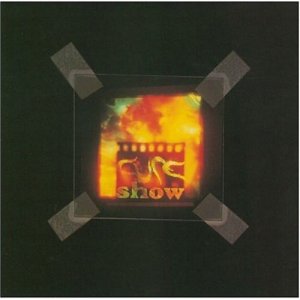
The Cure-Show


Show is the first of two live albums from the Cure chronicling their 1992 tour for the album Wish. Recorded at the Palace of Auburn Hills near Detroit, Michigan, the live album (in differing versions) has the band play many songs from the album Wish along with other classic songs from their career. Produced by Robert Smith and mixed by Smith and Bryan “Chuck” New, the live album is among one of the better documents of the Cure as a live act.

Opening the album is a track called Tape which is essentially an intro track that meshes swirling guitars and keyboards with Smith’s vocals that segues to the song Open. Led by Simon Gallup’s melodic bass line and Boris Williams’ pummeling beats, the blaring guitars of Porl Thompson, Perry Bamonte, and Robert Smith takes charge as he sings to the song’s dark lyrics. High, with its heartwarming lyrics, is among one of the key performances of the album with its arpeggio-laden guitars and six-string bass playing from Smith and Bamonte. Pictures of You, from Disintegration, is given a dazzling performance for its mid-tempo presentation filled with broad keyboard textures and Smith’s vocals being a highlight of the performance.

Lullaby, from that same album, features screams from the fans once Bamonte’s swooning synthesizer appears for the upbeat, mid-tempo song with its creepy lyrics as Smith sings in a direct vocal style. Just Like Heaven is another highlight early in the album as it’s one of the Cure’s most popular song with its swift, driving guitar chimes and rumbling beats with Smith singing the song with pure joy. Fascination Street, an additional track on the two-disc version of the album, is led by Gallup’s pummeling bass line and Thompson’s swirling guitar to kick off one of the most haunting cuts in the album. A Night Like This, from The Head on the Door, is given a more upbeat drive to the song with Williams’ pounding beats and blaring guitars that take charge including a guitar solo in place of the saxophone solo from the original recording.

The ballad Trust that is led by a somber piano track to complement the song’s despaired tone as it includes a wonderfully fluid yet evocative synthesizer track. Kicking the second half of the album is Doing the Unstuck where it starts off as an acoustic solo by Smith only for the band to follow in an exciting yet soaring performance with wailing guitars and powerful rhythms. The next two cuts are bonus tracks from the two-disc version of the live album in the pulsating, new wave track The Walk and the more poppy, synthesizer-driven Let’s Go to Bed as they’re both greeted with excited fanfare. Particularly as the songs are given a fuller sound with a full band to add more punch to the songs.

Friday I’m In Love is another song that’s gotten great fanfare as it’s one of the more upbeat songs on the album with its driving guitars and inspired performances with its bopping rhythm. Inbetween Days, from The Head on the Door, is another upbeat performance that includes Bamonte’s soaring synthesizer taking charge to the song’s evocative lyrics as Smith sings with great delight. From the Edge of the Deep Green Sea is another highlight with its blaring guitars, driving rhythm, and Smith’s snarling vocals as it would become a fan favorite in live shows. The hard-rocking Never Enough arrives with its hammering beats and charging guitars as Smith sings in a fast, angry vocal style. Cut with its crashing rhythms, wobbly bass, and swirling guitars help maintain the heaviness as Smith sings with his wailing vocals. Closing the live album is End with its down-tempo yet ominous presentation with droning guitars and rumbling rhythms as Smith sings to close the show.

Released on October 19, 1993, the album was released in three different versions. With the two-disc and cassette version featuring a standard track listing, the single-disc version excluded Fascination Street, The Walk, and Let’s Go to Bed as they would appear in the Sideshow EP while the single disc also shortened the intro to mesh with Open as one track. Another version of the record that featured five bonus cuts was a CD-i version that was a precursor to the DVD that was a rarity. Even as it included cuts like To Wish Impossible Things, Primary, Boys Don’t Cry, Why Can’t I Be You, and A Forest.

Show is an excellent live album that provides a great live document of the Cure outside of bootlegs. In comparison to previous live albums the band has released, it’s one of the better ones though Paris is more superior due to the rarities it offers. It’s a record that is a decent introduction for new fans interested in what the band sounds like live though it is something that hardcore fans will enjoy. In the end, Show is a dazzling yet exciting live album from the Cure.


© thevoid99 2011