Showing posts with label 1991 music. Show all posts

Friday, September 30, 2011

1991-20: 1991 in Music Pt. 3: The Year in Rock/Metal


Part 3: The Year in Rock/Metal


The year in rock for 1991 was a truly crucial year for the genre. While veterans like Tom Petty & the Heartbreakers, Genesis, Rush, Ozzy Osbourne, and Van Halen released new albums that year that solidified their longevity. It was also a period where some of the 1980s heavy hitters would face new challenges. One band that emerged in 1990 to be bigger in the new year where the Black Crowes. The Georgian-based Southern blues-rock band hit it big with 1990’s Shake Your Moneymaker while landing a slot to open for the veteran power-rock trio ZZ Top for their Recycler tour. The tour however, got attention for singer Chris Robinson’s open disdain towards corporate sponsorship as his band was kicked off the tour.

Robinson’s criticism of corporate sponsors wasn’t anything new yet it would create a new division over what was becoming acceptable in the world of rock. Neil Young who gained a comeback in 1989 with his album Freedom reunited with Crazy Horse in 1990 as he was one of the new rock veterans that was acceptable to a younger audience. Tom Petty & the Heartbreakers, Ozzy Osbourne, and Van Halen also proved to connect with a new audience in 1991 while Rush maintained their own cult status in their return-to-rock roots period with Roll the Bones that followed 1989’s Presto. Genesis meanwhile, continued with their pop approach with their album We Can’t Dance that ultimately would become Phil Collins’ last album with the band as he left the group in 1996 to work on his highly-successful solo career.


While a lot of the veterans were able to maintain their status as rock heavyweights. The same couldn’t be said another group of rockers who had dominated the 1980s as they were definitely on their way out in 1991. Since the emergence of pop-metal in the early 80s through bands like Def Leppard, Motley Crue, and Quiet Riot that helped put heavy metal to the mainstream. It created a new wave of band with big hair, spandex pants, some makeup, and a large sound to come out and dominate the 1980s. Often called glam metal or hair metal, it’s colorful videos filled with huge stage shows were the big thing in the late 1980s. Yet, glam metal had a formula for success where they release the big rock song first and then the power ballad to bring in the pop audience.


It was a formula that worked but for many bands that were a full-on hard rock/metal band from the start. Fans of their earlier work would accuse them of selling out as the ballads suddenly became acoustic where the band Extreme gained a massive hit with the acoustic ballad More Than Words that was followed by a more up-tempo acoustic song called Hole Hearted. While it may have given the funk-metal band success, it also pegged them as part of the hair metal genre. The commercialization of glam metal was taking its toll as groups were pressured to make rock ballads while the decadent lifestyle that they preached was finally taking its toll.

Many critics pointed the death of hair metal to a series of events from the arrival of Guns N’ Roses in 1987 and the release of Penelope Spheeris’ 1988 documentary The Decline of Western Civilization Part II: The Metal Years. More signs over its death came in the form of the 1989 Moscow Peace Festival and the pressure from record labels to be more commercial to the masses. Spheeris’ documentary and the Moscow Peace Festival both presented cases about the decadent lifestyle for these bands. The latter of which was a festival to celebrate sobriety as all of the bands, with the exception of Motley Crue, didn’t get the message of the festival.

It was in this careless lifestyle of booze, drugs, and unsafe sex, at a time when AIDS was present with the public at large, was now seen as irresponsible and uncool as two bands of the glam metal genre were coming undone by their excesses. In 1990, Ratt released their fifth album Detonator as they were having trouble dealing with the substance abuse of their guitarist Robbin Crosby. During a tour in Japan in early 1991, Crosby’s addiction finally took a toll during a show where he was playing out of tune with the rest of the band that ultimately led to his departure. Even as it would lead to a period of the band unraveling as they would officially break-up a year later.


Then there’s Poison, the premier hair band who were huge in the late 1980s as their third album Flesh & Blood that came out in June of 1990 became another hit. Yet, the band was becoming undone from within by creative tension between vocalist Bret Michaels and guitarist C.C. Deville as well as excessive behavior from the entire band. During the tour to promote Flesh & Blood in 1991, dates were cancelled as fights were happening which culminated at the 1991 MTV Video Music Awards. Deville, who dyed his hair pink, was shown seemingly intoxicated as the band played their hit single Unskinny Bop when they weren’t on the air and then they went into Talk Dirty to Me where Deville’s guitar got disconnected in mid-performance. Deville’s performance led to a backstage fight with Michaels as he was kicked out of the band for seven years.


Poison’s infamous 1991 MTV Awards performance was a sign of not just glam metal’s lack of musical evolvement but also the silliness it provided to metal fans that wanted serious metal music. Poison’s MTV Awards performance provided another nail in the coffin for the hair metal genre as metal purists were looking for something that could keep heavy metal alive.

Fortunately, the arrival of new bands like Type O Negative and Sepultura helped keep metal vital as it also brought out new sub-genres that would emerge in the coming years. Another new band that emerged was Kyuss, a band that brought a stoner element to metal as it featured future Queens of the Stone Age mastermind Josh Homme. The 80s thrash metal band Anthrax scored a major hit with their collaboration with Public Enemy on the latter’s song Bring The Noise that would help lay the groundwork for the fusion between metal and hip-hop. Another band that helped maintain metal’s vitality is Skid Row. Though Skid Row were considered to be a hair band in 1989 with their debut album, it was their sophomore release Slave to the Grind that showed a more aggressive side as it was the first metal album to debut at number one.

Yet, the year of hard rock and metal would anticipate to massive releases that would help shape the music scene from two of its biggest bands. The first was Guns N’ Roses who spent the large part of 1990 recording a brand new album that was to be their major follow-up to their 1987 debut album Appetite for Destruction that was also followed by their 1989 EP G N’ R Lies. The recording of the new album was difficult largely due to original drummer Steven Adler’s drug abuse as he was kicked out of the band and replaced by Matt Sorum. The band also added keyboardist Dizzy Reed to the mix as singer Axl Rose wanted to create album that had more ambition than the hard and heavy Appetite. The result would be the double album Use Your Illusion I & II.


While both albums would prove to be major hits, it also marked a change of pace as their blues-heavy hard rock sound was mixed in with orchestral, piano-driven ballads reminiscent of Elton John as some felt the band got bloated. Within the band, things were unraveling as Axl Rose’s desire for control led him to gain the band’s name for himself. Founding members Slash, Duff McKagan, and Izzy Stradlin reluctantly convinced him to give him the band name so the band wouldn’t break up as the album’s September release was preceded by a tour that featured an infamous riot in St. Louis caused by Rose. The Use Your Illusion tour lasted through nearly two years as in late 1991, Stradlin left the band due to Rose’s behavior and the substance abuse relating to the band as he had just became sober. Stradlin was replaced by Gilby Clarke as the end of the year saw GN’R be the premier band of hard rock/metal as they would share it with another band.


Since the release of their debut album Kill ‘Em All, Metallica had been one of the most revered bands of the 1980s with a string of influential albums that won the hearts of true metal fans. After 1988’s …And Justice for All, the band took thrash metal to new heights but felt that there wasn’t really anywhere to go with the genre. Collaborating with producer Bob Rock, the band’s fifth album would prove to make a change in the band’s sound and fortunes. A self-titled release that is often called The Black Album would become the band’s biggest success of their career that was followed by a massive world tour that lasted for nearly three years.


While The Black Album would yield major hits for the band, not everyone was happy with Metallica’s new direction. The simplified songs and polished production was part of the criticism that some fans had though the band didn’t change their sound completely as it reached a worldwide audience. Metallica’s success would also inspire bands to aim for ambition but also not betray their sound as it helped keep metal alive.


Despite these big moments for rock in 1991, there were also some sad moments in the world of rock music. The rock band Kiss suffered a major loss with the death of drummer Eric Carr on November 24, 1991. Carr’s death was a big deal to hard rock but his death was overshadowed by another individual who was bigger than life. Queen’s Freddie Mercury died that same day just a few days announcing to the world that he had AIDS. Mercury’s death proved to be tragic as the band had released their album Innuendo earlier that February which was a major hit that year. Though Queen would release another album that featured Mercury’s vocals in 1995 entitled Made in Heaven. It would mark the end of one of rock’s greatest vocalists as a tribute concert was held in Wembley Stadium a year later.

The end of the year saw metal still moving forward while the end for the hair bands was just approaching. Some of rock’s veterans continued to thrive proving they still had a place in the changing times while the loss of Freddie Mercury proved to be the end of an era. While it was clear that rock was about to emerge into a new direction, it would part of an entirely different movement that would change everything about what rock music is.

Conclusion/Legacy


20 years later as pop, rock, and hip-hop has evolved through many trends and ideas, some things have changed while some things haven’t. The end of that year saw new things happen but also some harsh realities of what was happening. With the new Soundscan sales tracker, it became clear that album sales were in decline not just due to trends that were overstaying their welcome. It was also because the desire for something new to happen as the concert industry was also struggling despite successful tours from established acts like Van Halen and ZZ Top along with packaged tours from Metallica and other thrash-metal bands.

Yet, both album sales and concert attendances couldn’t deal with the recession that was happening that year as people stayed home during that year. The year itself proved that things were changing as Michael Jackson’s reign as the king of music was coming to an end as the events that were happening proved to have an impact in the 20 years since. Pop music remains more vital than ever though many of the stars that became big in 1991 didn’t survive with the exception of Mariah Carey. Some like Natalie Cole, Gloria Estefan, and Amy Grant strayed from pop music while others chose to capitalize on their brief fame through movies or TV shows. Other such as Michael Bolton ended up becoming a punch line though his career has had some resurgence through shows like Dancing with the Stars and Saturday Night Live.


A lot of the music of that era would be sold as compilation CDs all over television or appear as jingles for ads. Yet, many of the changes that 1991 brought for pop music is still relevant through artists like Lady Gaga. While some believe she’s making it interesting again, some feel that she isn’t really doing anything new. Even as the idea of dance music and pop has now become synonymous with what is hot on the charts.

Hip-hop since 1991 has become the dominant music force of the last 20 years as it grew worldwide. When it went into 1992, the idea of the slick-flashy rap music that M.C. Hammer was synonymous with became irrelevant with the African-American community. Instead, gangsta rap became more dominant since it played true to the events that was happening that year as it helped drive hip-hop sales despite the controversy it courted.


While the music itself has been going through some creative issues over the years between commercialism and artistic integrity, it has reached an audience bigger than what people has expected in the past 20 years. While gangsta rap managed to die out in the mid-90s and it became more acceptable for hip-hop to be in ads or be played on top-40 radio. Still, there is a conflict among purists about the music as well as its association with pop which remains an ongoing debate.

While pop and hip-hop has managed to evolve throughout the past 20 years, rock music however has been the one musical force that hasn’t done a lot to change itself. Since the arrival of bands like Nirvana and Pearl Jam, rock music went into a big change as all of the hair bands that had dominated in the 1980s pretty much found themselves playing arenas one day and could barely fill a club the next day. Many of the hair bands of that era either broke up, went through line-up changes, or fell back into obscurity. Motley Crue and its singer Vince Neil split up in 1992 as they didn’t speak to each other in four years while they hired a new singer in John Corabi that didn't list very long. The only hair bands that managed to maintain some commercial power during the 90s while finding a home in the international market were Def Leppard and Bon Jovi as they both made changes to their sound.


In the world of metal, Metallica’s success would help usher in a brief period for metal’s dominance into the music scene for bands like Megadeth, Pantera, and many others. Yet, metal struggled to maintain an audience and a commercial profile through advent of grunge rock and alternative music. It took one of metal’s forefathers in Ozzy Osbourne and his wife/manager Sharon to create the metal festival Ozzfest to help keep metal alive in the U.S. Since then, metal still remains vital while the hair bands has had a resurgence through nostalgia tours and reality TV shows.

Rock music itself however since the arrival of grunge and alternative rock had a good five-year period of dominance until pop struck back in the late 1990s along with hip-hop. Many felt that since the arrival of grunge and its commercial impact, the music itself became more watered down for the masses. Bands that have been successful by 2011 like Nickelback and 3 Doors Down spouts not just grunge’s sound but also the sappy power-ballad elements of hair bands to create something that mainstream audiences like. Yet, rock purists find them to be unoriginal and moronic as they offer nothing new to the sound as the music itself has gone through various trends since 1991 but not a lot of it stayed except for the safe-grunge sound that is commonly known as post-grunge.

By 2011 as rock, hip-hop, dance, and pop music still becoming vital to the public at an age where the music industry is dying. It’s clear that 1991 has had a lasting influence on the music that was made at the time. Yet, the impact of that year didn’t really dwell much on rock and pop music. Hip-hop was the real winner along with another music scene in alternative/indie and electronic music where it was pushing boundaries with the music. Even heavy metal has somehow managed to stay alive by 2011 by refusing to go away. Still, it was an incredible year in popular music and probably one of the last great years in that ever changing world of music itself.

1991-20: 1991 in Music: Pt. 1 - Pt. 2

1991-Indie: Pt. 1 - Pt. 2 - Pt. 3 - Pt. 4 - Pt. 5 - Pt. 6

The 50 Best Albums of 1991: 50-26 - 25-11 - 10-2 - Favorite Albums #1

© thevoid99 2011

Friday, September 23, 2011

1991-20: 1991 in Music Pt. 2: The Year in Hip-Hop/Rap


Part 2: The Year in Hip-Hop/Rap


When rap music entered 1991, it was clearly in a transitional period. While the music was bigger than ever to the public at large. Not everyone liked the public’s perception of what rap music and hip-hop is. The image of such mainstream artists as MC Hammer, Gerardo, and Vanilla Ice may have helped exposed hip-hop to a broader audience, particularly White America. There was a feeling that their success and image didn’t really come from the streets along with the fact that it seemed manufactured. Whatever rap purists felt about this perception of what hip-hop was. It would have a major effect of what was to come later in the decade as hip-hop would become the major music force of the 1990s.


While MC Hammer definitely helped rap music become bigger than ever and more present all over the world. He received lots of criticism from the hip-hop community despite the fact that he wanted to present a positive image. What bothered a lot of rappers and critics at the time wasn’t the fact that Hammer was so big with a very polished, pop sound. It was also the fact that he was making lots of money through endorsements from corporate sponsors and making songs for blockbuster films such as The Addams Family. While Hammer would drop the MC from his name a year later and present himself as a superstar rapper with slick, big-budget videos and songs that featured a massive production. He would alienate a large portion of his African-American audience and eventually lead to bankruptcy.


If MC Hammer’s success was bothersome to purists and rappers in the hip-hop community, that was small potatoes compared to Vanilla Ice’s success. Though Ice’s major label debut To the Extreme was a huge hit in late 1990 and early 1991. His career was already trouble around the time he was a big star with a number one album topping the charts for 16 weeks. Ice’s bio where he claimed to be from the streets of Miami and was a gang-banger proved to be false during an interview which revealed that he was really from a suburb of Dallas. For every interview Ice was doing, it felt like an interrogation as his credibility was shattered and everything about him was questioned.

Though Ice would become rich and successful due to the sales of To the Extreme and the single Ice Ice Baby, Ice’s profile would have dire consequences. Not only would he be parodied by shows like Saturday Night Live and In Living Color about his success. He was also dissed by the rap group 3rd Bass with their song Pop Goes the Weasel that featured a sample of Peter Gabriel’s Sledgehammer (w/ permission by Gabriel) as well as a cameo by Henry Rollins in the video for the song as Vanilla Ice. In early 1991, Ice would have an encounter with future Death Row Records co-founder Suge Knight who was asking for some royalties for Ice Ice Baby. While the legend was that Knight and his crew dangled Ice from a balcony to get the releases, Ice later shot that down years later as he gave away a portion of the royalties to Knight. Even as Ice said that it was a good thing because he helped invested money in Death Row Records.


Ice’s career later fell hard in late 1991 due to a commercially-disappointing live album as well as a movie called Cool as Ice failed in the box office. Ice’s career cooled throughout the 1990s though he remained in the underground as he found his niche years later. Though Ice’s success was a big deal for the industry, it did hurt a lot of potential for emerging white rappers. Among them was Kid Rock who would finally break through in late 1998 while new yet more commercial white rappers would emerge in the coming years such as Mark Wahlberg under his rapper name Marky Mark and a Canadian rapper named Snow. Yet, they wouldn’t last long though Mark Wahlberg would have success as an actor. It did hurt the potential for white rappers to break into the hip-hop industry as a white rapper was a no-no for years. Even as Ice’s success was a thorn to the side of rap purists.


While pop-rap was helping the music gain wider exposure to the mainstream, there were other forms of rap and hip-hop that were starting to gain ground. Even as it led to a period of classic albums and new artists to emerge. Sub-genres were forming ranging from gangsta rap to jazz-influenced versions of rap music. One of the pioneers of gangsta rap in Ice-T released a new album called O.G. Original Gangster that was considered to be his finest album of his career. The album was considered to be a landmark for the gangsta rap genre while the album also introduced to a new project Ice-T created called Body Count. Body Count was a rap-metal band that allowed Ice-T to expand his musical horizons as he took the band on the road at the first Lollapalooza festival.


While Ice-T explored new avenues, Ice Cube released his sophomore album Death Certificate to rave reviews. Cube, who had left N.W.A. in early 1990 forged a solo career where he teamed with the famed production team the Bomb Squad for his solo debut album AmeriKKKa’s Most Wanted in May of 1990 that featured a lot of social and political themes relating to what was happening in America. Death Certificate was released in October of 1991 that expanded on Ice Cube’s exploration with social and political themes while going more extreme about racism and violence. The album helped raise Cube’s profile as he also starred in the 1991 Oscar-nominated film Boyz n the Hood while Cube was also embarking on a personal journey with his conversion to Islam.


Cube’s former bandmates in the influential gangsta-rap group N.W.A. were forging ahead with the release of their second and last album entitled Efil4zaggin (Niggaz4life) which debuted at #2 in the Billboard 200 album charts only to go up to the top spot a week later which was considered groundbreaking for a release as extreme as this album. While the political elements of Cube’s lyrics were missing in the sophomore album, it did however expand the production style of Dr. Dre which leaned towards a smooth, funk-driven style. The album did receive excellent reviews though some critics felt the lyrical content became more misogynistic and more violent. It was during this time that tension between Dre and Eazy-E over money and various issues led to Dre leaving N.W.A. with a degree of controversy due to Suge Knight’s involvement as Dre and Knight eventually formed Death Row Records in late 1991.


If gangsta rap was gaining ground, other social-driven acts like the Geto Boys and Public Enemy upped the ante about issues that were happening in America. The Geto Boys released We Can’t Be Stopped which was their most successful release while its album cover was controversial as it featured Bushwick Bill in a hospital after he shot himself in the eye during a domestic dispute. Public Enemy meanwhile, released Apocalypse 91... The Enemy Strikes Back which many considered to be their last great album. The political-driven group had a song called By the Time I Get to Arizona which was a controversial track over Arizona governor Evan Mecham’s refusal to recognize Martin Luther King Jr.’s birthday, which was a national holiday. The album also featured a groundbreaking collaboration with the thrash-metal band Anthrax on a remake of Public Enemy’s old 1988 song Bring the Noise.


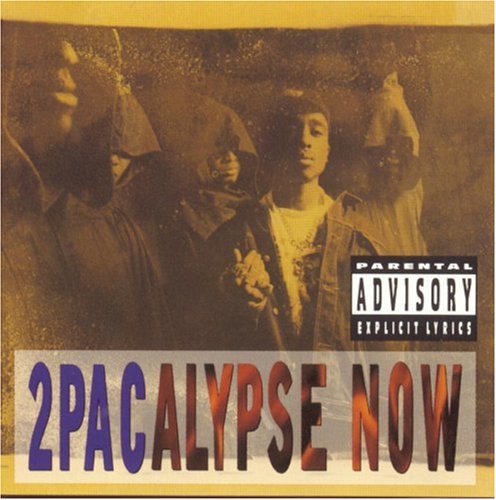
Another artist who came into the world of gangsta rap and hardcore hip-hop was a newcomer named Tupac Shakur under his alias 2Pac. Shakur was the son of a Black Panther party member as in 1990, he was a dancer for the rap group Digital Underground. He then became a MC as he rapped on the song Same Song for the 1991 film soundtrack to Nothing but Trouble where the group also appeared in the film. In November of 1991, Shakur would release his debut album 2Pacalypse Now. The album was a mixture of the socially-conscious, political hip-hop mixed in with the West Coast sound. What was more striking about the record were Shakur’s lyrics that made him stood out among his peers. Though it wasn’t a big seller upon its release, it did gain controversy in 1992 when Vice President Dan Quayle blasted the album for its violent content over a shooting from a Texas youth to a cop.

Shakur’s arrival into the hip-hop was one of many new artists emerging in 1991. A young budding entrepreneur named Sean Combs worked at Uptown Records where he helped develop the R&B group Jodeci and later sign Mary J. Blige to the label as she became the queen of hip-hop soul. Cypress Hill released their self-titled debut that brought a darker element to the world of gangsta rap mixed in with an element of psychedelia. Another new talent that was emerging as part of a group was Busta Rhymes as he and members of the group Leaders of the New School released their debut album A Future Without a Past. The album was considered to be one of the finest debut releases of that year as Rhymes would get more attention for a rap in the song Scenario in an album what many considered to be one of the greatest albums ever made.


That album is A Tribe Called Quest’s sophomore album The Low End Theory was a fusion of East Coast hip-hop with jazz. Creating a laid-back, bass-heavy sound courtesy of jazz double-bassist Ron Carter, the album featured lyrical content that went above the world of gangsta rap for something far more personal but also socially-conscious without an overbearing message. The record became a landmark release for hip-hop proving how wide the genre was becoming.


The Low End Theory brought a new era to hip-hop known as Alternative Rap as De La Soul released their second album De La Soul is Dead in reaction to critics claiming they’re hippies along with their own response to gangsta rap. With hip-hop flourishing into various sub-genres, there was still a commercial element that kept things going as there were alternatives to gangsta rap. Will Smith under his Fresh Prince moniker with DJ Jazzy Jeff scored a summertime hit with Summertime that was acceptable for all audiences.


The year ended as an important year for hip-hop but rising tensions over the Rodney King beating in March of that year along with a trial in 1992 was boiling. Even as hip-hop was becoming more aggressive in one spectrum as gangsta rap would become a dominant force in hip-hop. On the other side was a more laid-back approach of Alternative Rap with socially-conscious acts like PM Dawn and Arrested Development arriving in that year. MC Hammer’s pop-rap would see a decline as he was unable to reach the African-American audience he wanted to please. The next year would also see N.W.A. disband as Dr. Dre went solo and discovered a new rapper named Snoop Dogg.

1991-20: 1991 in Music: Pt. 1 - Pt. 3

1991-Indie: Pt. 1 - Pt. 2 - Pt. 3 - Pt. 4 - Pt. 5 - Pt. 6

The 50 Best Albums of 1991: 50-26 - 25-11 - 10-2 - Favorite Albums #1

© thevoid99 2011

Friday, September 16, 2011

1991-20: 1991 in Music-Pt. 1: Introduction/The Year in Pop


Overview


1955, 1964, 1967, 1973, 1977, 1981, 1984, and 1987 were the years where popular music have an enormous impact around the world socially and musically. Since the dawn of rock n’ roll in 1955, the years saw new genres being formed and new stars arriving into the spectrum. When the 1980s became the 1990s, many were wondering what was about to change into the new decade. Particularly a decade that was known for decadence and the megastar. The 1980s was a decade where bigger was better as Michael Jackson sold more than 40 million copies of his 1982 album Thriller. In turn, megastars such as Madonna, Prince, Bruce Springsteen & the E-Street Band, Phil Collins, and George Michael were putting out hit after hit selling large amount of albums.

It was the decade where rap music finally emerged into the consciousness of the mainstream as it would become a much bigger phenomenon as it was to enter the new decade. Rock music meanwhile, became more polished and more grandiose as the hair bands such as Motley Crue, Poison, and Bon Jovi were dominating the charts. Even as rock veterans like Bruce Springsteen, the Rolling Stones, Pink Floyd, Aerosmith, Paul McCartney, and Tom Petty & the Heartbreakers were also keeping rock alive. Yet, there was something in the underground that was emerging as it headed towards the 1990s.


For years, a growing music scene from the underground was starting to creep up towards the mainstream as bands like U2 and R.E.M. were starting to gain mainstream success. Even as other underground acts like the Pixies, the Replacements, Husker Du, and many others were getting critical attention. In 1990, both U2 and R.E.M. were in the process of reinvention. Even as metal/hard rock bands such as Metallica and Guns N’ Roses were also in the process of moving forward with their music.

When 1990 began, it became clear that not much was changing though it was evident that some things were on their way out. Hair bands were still ruling the rock charts along with a few rock veterans while pop music was becoming more polished with new acts like Mariah Carey, Wilson Phillips, and New Kids on the Block. Hip-hop and rap music was also becoming bigger and more refined thanks to the huge chart success of M.C. Hammer whose album Please Hammer, Don’t Hurt ‘Em dominated the U.S. album charts for 21 weeks that eventually sold more than 18 million copies.


While it was a big deal for those who listened to top 40 radio or any kind of mainstream radio program. Not everyone was into it. While there was some new hope in Southern blues-rockers in the Black Crowes and alternative rock bands like Jane’s Addiction and the Red Hot Chili Peppers. It wasn’t enough as pop, rock, and hip-hop was seemingly becoming more corporate than ever. Even dance music was becoming more redundant as it helped pushed album sales as it would emerge into the Soundscan era which would track albums sales in March of 1991.

While the U.S. was seemingly becoming more of the same with its control of what was cool on the radio and MTV. Britain was in a state of transition with this clash of established acts such as Tina Turner, Phil Collins, and other major label artists were going up against acts from indie labels such as the Stone Roses, the Happy Mondays, and New Order. Manchester was the capital of cool in Britain with its vibrant Madchester music scene that was spurred by acts like the Stone Roses, the Happy Mondays, the Charlatans, and Inspiral Carpets. Yet, that scene would be co-opted by knock-off acts such as Jesus Jones and EMF where they would have greater chart success not just in Britain but also the U.S.


When the year ended, the top-selling albums of those final weeks of 1990 and heading into the New Year were a representation of what the public was listening to. In Britain, it was a greatest hits collection by Madonna while in America; it was the major label debut album by a white rapper named Vanilla Ice called To the Extreme. Ice’s album sold 11 million copies worldwide with 16-week dominance in the U.S. album charts. Despite that success, Ice was marginalized by critics over his background while rap purists saw him as a low point of what hip-hop and rap music was becoming.


It wasn’t just hip-hop that was in danger of losing its edge but rock music as well as it was to head into the new year. The hair bands were definitely overstaying their welcome as groups like Nelson and Extreme were making huge hits on the pop charts with ballads. Even something that was supposed to be as cutting edge as electronic music was becoming more condensed as it churned out dance songs that were too cheesy for some listeners. It was as if the new year was going to be more of the same.

Fortunately, that wasn’t going to happen as there was a young audience that wanted something very different. They wanted something that they can relate and call onto their own. Something were there were bands that didn’t have big hair or wore leather pants. Acts that didn’t wear shiny baggy pants with big jackets and sported crazy hairstyles. Acts that weren’t manufactured by some producer or record company. In many ways, it was something that was going to shake-up the foundation of what was happening in popular music. Something that people will remember 20 years later.

1991 was the year everything changed dramatically. Not just popular music but rock music, electronic music, hip-hop, and even country music as well. It was as if, a new world had emerged and new artists were there to change the rules. Though not much has changed musically or socially in 2011, it would be a year where new rules were sets while artists and albums that emerged in that year would have a lasting legacy. If anything, 1991 was a watershed moment for popular music that would lead a new decade of exciting, vibrant art that would be remembered in the years to come.

Part 1: The Year in Pop & Dance


Pop music in 1991 was definitely a year in transition as such luminaries as Michael Jackson and Prince were set to return with new albums. Even as a mega-star like Madonna took time off that year to prepare for her next move as she released the documentary Truth or Dare about her 1990 Blond Ambition Tour. Another mega-star in George Michael was waging war with Sony Music over the lack of support for his 1990 album Listen Without Prejudice, Vol. 1 despite selling 8 million copies worldwide.

Still, pop music was about the new stars of that year as leading the way were acts like New Kids on the Block, Mariah Carey, and Wilson Phillips. Yet, with the exception of Mariah Carey, the time for the new pop acts were becoming shorter. Even as artists were accused of lip-syncing and not really singing thanks to the Milli Vanilli scandal in late 1990 when it was revealed that the German pop duo didn’t really sing any of the songs from their album. Artists such as Paula Abdul was accused of not really singing any of her songs as she was set to release her sophomore album Spellbound in May of 1991.


Meanwhile, other new acts were emerging such as Gerardo whose Latin-rap song Rico Suave was a big hit that year. Still, it didn’t really seem like pop music by 1991 was going forward as everyone looked like a manufactured act. Even Mariah Carey was someone that was considered to be a studio act since she was reluctant to tour at the time. While many of pop’s newcomers were starting to struggle with the pressures to perform and to meet expectations. Notably in the wake of the Soundscan tracking system that tracks albums and singles sales in March of 1991. It was up to the veterans of pop music that would help the genre move ahead.


The big star of that year was Bryan Adams whose single (Everything I Do) I Do It For You from the film soundtrack for Robin Hood: Prince of Thieves and his own album Waking Up the Neighbours. The song went to number one in many countries including the U.S. for seven weeks along with a record-breaking 16-weeks in the U.K. where it would become the best-selling single ever until Elton John’s 1997 re-release of Candle In the Wind for Princess Diana of Wales. The song’s success was huge for the Canadian pop-rocker who found success with power ballads that would help remain successful worldwide in the 1990s.

Adams’ success also reached into the adult contemporary charts where he is joined by Sting, Simply Red, and Rod Stewart who all released successful albums that year. Notably Stewart who found his niche as an adult contemporary artist for the 1990s while Sting’s The Soul Cages album was a more personal record about the death of his father. Simply Red’s Stars became a massive hit in Europe and in its native Britain though the band’s U.S. success had already waned late in the 1980s. There was no artist bigger in that genre much to the disgust of critics in Michael Bolton.

Bolton who started off as a hard rock singer in the early 1980s switched gears to adult contemporary in re-creating soul classics. His 1991 album Time, Love, & Tenderness would become a huge seller that year selling 8 million in the U.S. and 16 million worldwide. Despite his huge success in singing soul classics to housewives all over the world, critics despised the singer for polishing songs made famous by Otis Redding, the Isley Brothers, and Percy Sledge. Though he would remain successful throughout the 1990s, his career would take a major blow thanks to a 1999 film called Office Space where a character with the same, unfortunate name decried him as a “no-talent ass-clown”.


One major pop artist who would make a return to the scene is Gloria Estefan. The Latin-singing star who headed the Miami Sound Machine in the 1980s went solo in 1989 as she was riding high on a wave of success. Then in March of 1990 on a cold, snowy day in Pennsylvania. Estefan was in a horrific accident that nearly paralyzed her as she had to have spinal surgery that took a year for her to recover and rehabilitate. Her return to the stage at the 1991 American Music Awards early that year proved to be a major comeback as her album Into the Light became a major hit.


Another female artist that had a great year was Natalie Cole whose 1991 album Unforgettable… with Love would be her greatest success. The album had Cole sing the standards that her later father Nat King Cole sang during the 1950s/1960s including a duet of the song Unforgettable with her late father with the use of modern technology. The album proved to be a major seller while winning the Grammy for Album of the Year in early 1992.

Another female artist who went big in 1991 came from Christian music singer Amy Grant whose album Heart in Motion became a massive crossover hit in both the pop and Christian music charts. Yielding five hits from 1991 to 1992, the album proved to be accessible to a pop audience while her Christian music audience were well in tact. This feat proved that anything could happen in the world of pop music as Amy Grant, Natalie Cole, and Gloria Estefan helped broaden the spectrum of what pop music could do for female artists.

Pop music in 1991 was also given a boost by acts from Europe who took American pop and hip-hop elements to techno music. It was part of a wave of Eurodance music that forged acts like Snap!, Technotronic, and Black Box. The Eurodance scene moved dance music away from the days of early 1980s synth-pop as it brought the house music that was coming from Manchester and Ibizia to the world of American pop music. While it gave people something to dance to in clubs all over the world. Not everyone was happy about the emergence of Eurodance.


One of the biggest criticism that the Eurodance trend had was that it was all driven by producers who remain faceless as they would have female singers or a rapper do parts as they represented the group. There was an even bigger controversy in the U.S. thanks to groups like C + C Music Factory and Black Box as they used models to sing for the videos and promotional appearances. Yet, it would be revealed that the woman that was singing these hit singles was former Weather Girls vocalist Martha Wash wasn’t given proper credit for her vocal contributions. Wash would sue both groups as the attention helped revive her career.

The Martha Wash controversy did die down as Wash would get her royalties and credit as the dance-pop music scene became more diluted by its sound and visual presentation. Artists like Cathy Dennis, 2 Unlimited, Rozalla, Londonbeat, Crystal Waters, and CeCe Peniston were creating dance hits that were big in nightclubs. Yet, critics found the music cheesy and lacking in any real sense of artistry as a lot of the music sound the same. While the group Enigma added a new age element to the music, it still felt cheesy for people that wanted something different from the world of electronic music. Particularly as the dance music of this period helped move units and gave ideas for some of pop’s veterans.


Throughout all of the new stars and trends that were happening. The world of pop music was awaiting the return of its mega-stars in Prince and Michael Jackson. Prince was in desperate need of a major hit following the commercial failure of his 1990 film Graffiti Bridge, a sequel to his 1984 hit film Purple Rain. His 1991 album Diamonds and Pearls was a major hit as he was backed by a new band, the New Power Generation. The album gave Prince a chance to win back the African-American audience he seemed to have ignored as the record was also a return of sorts to R&B. Though it would help Prince maintain his status as a mega-star, it would only be brief as he would move further into different styles of music along with an eventual war with his label Warner Brothers.

Then, there’s the King of Pop in Michael Jackson. Jackson was the biggest star of the 1980s as anticipation ran high for his return with a new album. In March of 1991, Jackson signed a $65 million deal with Sony Music that was considered to be record-breaking at the time. Jackson went to work with renowned producer Teddy Riley whose creation of the new jack swing sound had made him successful with acts like Bobby Brown and Riley’s own group Blackstreet. Jackson collaborated with Riley, under the suggestion of his old producer Quincy Jones, where the result would be Dangerous.


At 77 minutes with 14 tracks, it was Jackson proclaiming his status as the King of Pop when the album was finally released on November 26, 1991 led by the single Black or White weeks earlier. The album would become Jackson’s most successful record of that decade as his career would later freefall due to child molestation allegations and an addiction to painkillers. The album would also be Jackson’s last major success as he struggled to maintain his status as a commercial force in the 1990s and 2000s until his death in 2009 weeks before he was to hold a major series of comeback concerts in London.

The year in pop ended with Michael Jackson reigning supreme that year as he would head into 1992 maintaining his hold as the king of the charts. Yet, on the second week of that new year. A change would emerge where Michael Jackson would not only be knocked off the top spot. It would mark an indication that the music scene was changing as it would affect pop music for good.

1991-20: 1991 in Music: Pt. 2 - Pt. 3

1991-Indie: Pt. 1 - Pt. 2 - Pt. 3 - Pt. 4 - Pt. 5 - Pt. 6

The 50 Best Albums of 1991: 50-26 - 25-11 - 10-2 - Favorite Albums #1

© thevoid99 2011