Showing posts with label roxy music. Show all posts

Wednesday, May 18, 2011

Roxy Music-Avalon


Originally Written and Posted at Epinions.com on 6/26/09.


With the 1980s already underway with a slew of new bands coming out of the advent of the late 70s punk rock movement in Britain. A new scene was arriving in the form of bands with synthesizers as one of the acts the new bands were influenced by were Roxy Music. Taking the sounds and look of Roxy Music brought new inspiration as bands like Spandau Ballet, ABC, and Duran Duran acknowledge the great influence of the legendary 70s art-rock band. While Roxy Music was flattered by the compliment of the new acts, the band had lost some of its edge in the wake of two commercially-successful records that weren't well-received. The band, which was now a trio featuring vocalist Bryan Ferry, guitarist Phil Manzanera, and saxophonist Andy Mackay, now decided to forge ahead with a new sound that reveled in their sophistication and earlier experimental work for something more lush and adult-oriented entitled Avalon.

Produced by Roxy Music and Rhett Davies with several tracks written by Bryan Ferry with two co-written with Andy Mackay and one with Phil Manzanera. Avalon is an album that has Roxy Music diversifying their sound with more tribal beats but also a lush sound reveled in guitars and synthesizers that moved them away from the more commercialized material of the past two records. Featuring contributions from Squeeze/Mike & the Mechanics vocalist/keyboardist Paul Carrack on one track plus drums by noted session drummer Andy Newmark. The album is also the first to feature instrumental tracks that the band had never done in their career. The result is an intoxicating, mesmerizing, and atmospheric masterpiece from Roxy Music.

The album opener and leading single is the classic More Than This. With Phil Manzanera's ringing guitar melody and a swooning synthesizer, a smooth, bouncy rhythm arrives to accompany Bryan Ferry singing in a graceful, falsetto vocals. With its dreamy, imagery-laden lyrics, it's Ferry singing in a key that is unheard of but with such passion. With a chorus that includes an accompanying saxophone by Andy Mackay, it's a song that is purely rich with Rhett Davies' production maintaining a sense of atmosphere to the song as it includes an extended, instrumental coda with Manzanera's spurting guitar wails and a swooning synthesizer playing through. The Space Between is a song with tribal-like beats and bumping rhythms by its sumptuous bass lines, swanky guitars, and spurting saxophone wails. With Ferry singing in his cool, crooning vocal, the song is filled arrangements that is truly unique as it features array of percussions and sensual lyrics. With its production capturing every instrument that is playing, it's a track really sets the stage for the record.

The album's title track is a lush ballad with soothing synthesizers, bongo beats, swooning bass lines, and Ferry's melancholic yet cool vocal croon. With its mesmerizing yet enchanting lyrics, it's a song that encompass the lush atmosphere of the album with a female vocalist singing the chorus. With Manzanera's droning, scratchy guitars and Mackay's saxophone solo in its coda, it's a song that revels in its sophisticated yet trance-like presentation. The instrumental India is a track that is led by swooning synthesizer arrangements with Manzanera's droning, wailing guitars with smooth, wallowing beats, and Mackay's soothing saxophone. While My Heart Is Still Beating arrives with vibrant, bongo beats and flourishing pianos with spurting saxophones. Ferry starts to sing in an engaging, smoky vocal style with his melancholic, heartfelt lyrics. With Manzanera's ringing guitars and Mackay's swooning saxophone that plays to the song with its wobbly bass line and arrangements, it's a cut that helps maintain the lush tone of the album.

The Main Thing arrives with a warbling bass line and a thumping drum fill from Andy Newmark that is supported by hollow, tingling percussions. Along with a flourishing, wailing synthesizer and Manzanera's droning guitar, Ferry sings in an eerie, falsetto vocal with spurting saxophones from Mackay. With its arrangements of warbling bass and electronics, bouncy rhythms, and ringing guitars, it's a track that revels in the band's earlier, experimental work in its performance but from a more focused, trance-like feel in its performance and musicianship. Take A Chance With Me opens with a droning guitar solo from Manzanera with swirling synthesizers and hollow, pounding beats. Then it becomes a bouncy, mid-tempo track with Manzanera's ringing guitar, smooth bass lines, and Ferry's cool, crooning vocals. With its adventurous, nightlife lyrics, it features a great chorus that includes a wonderful synthesizer solo by Ferry as it's a song that includes top-notch production in capturing the rich sound of the instruments.

To Turn You On is another mid-tempo song with a wobbly bass line, soothing keyboards, and Ferry's intoxicating vocals filled with sensuality as he plays the seducer in the song. With Manzanera's melodic-flourishing guitar, Paul Carrack's piano accompaniment, and a thumping drum fill. With a spurting guitar solo from Manzanera that is played with such richness, it is a song plays up to its sophistication without going into bland territory. True To Life arrives with a melodic-bouncy synthesizer with Andy Newmark's smooth, rumbling drum fills. With Ferry's cool, crooning vocals filled with dreamy lyrics and soft vocal notes, it's a track that is rich in its production and arrangement that includes some fantastic guitar playing from Manzanera. The album closer is the instrumental Tara that features Ferry playing a soothing synthesizer with Mackay's somber yet enchanting solo on the saxophone. With an accompanying bass line and a piano from Ferry, it's a cut that serves as a fitting closer to the album.

Released in June of 1982, the album became the band's biggest hit in the U.K. reaching #1 while the critical response was overwhelmingly positive. In the U.S., the album went platinum though it peaked at #53. Yet, the album become a huge hit in the college radio circuit as did the song More Than This which attracted a new audience for the band. The band went on the road for about a year to support the album as it was a huge success. When the tour ended in 1983, the band announced that they were done for good as Bryan Ferry, Andy Mackay, and Phil Manzanera each embarked on different solo projects.

While Mackay and Manzanera went on to do careers as solo artists that was moderately well while working together on other projects and delve into other people's work. Bryan Ferry managed to maintain a very successful solo career in the 1980s which included the hit singles Slave To Love and Kiss & Tell that decade which included contributions from the likes of Pink Floyd's David Gilmour and the Smiths' Johnny Marr. Original drummer Paul Thompson, who left the band in 1980 following a motorcycle injury became a session musician working with the likes of Gary Moore. Then in 1990, Thompson briefly became a member of the L.A. alternative rock band Concrete Blonde where played in the band's biggest hit single Joey. Of all the members in Roxy Music, no one had a bigger profile than original keyboardist in Brian Eno. Since leaving the band in 1973, Eno created a string of widely-acclaimed albums while pioneering the musical style known as ambient. Eno also gained success as a producer working with the likes of Devo, David Bowie, U2, Talking Heads, and many others that continue to this day.

With the various members of Roxy Music taking low profiles in the 1990s with the exception of Brian Eno as a producer. Rumors about a reunion began to swirl about a possible reunion. There was speculation when at the 1998 Cannes Film Festival for the screening of Todd Haynes' glam-rock film Velvet Goldmine that featured several covers of songs by Roxy Music where attending the screening were Bryan Ferry and Brian Eno. A year later when promoting an album of standards, Bryan Ferry answered the rumors of a possible reformation with Roxy Music. Ferry revealed that he is considering reforming the band but with its original line-up though is aware that Brian Eno won't be touring since he rarely performs live.

Then in 2001, Bryan Ferry, Phil Manzanera, Andy Mackay, and Paul Thompson reformed Roxy Music with various backing musicians for a successful reunion tour that spawned a DVD and an acclaimed live album in 2003. Though Brian Eno chose not to be part of the reunion tour, talks about a possible album with Eno's involvement finally started to happen in 2005 though material that is being recorded is still in the works along with what label that is set to release it. As of 2009, the album is still in the works while the members of the band including Brian Eno are each doing different projects.

Avalon is a brilliant, sensual, and evocative masterpiece from Roxy Music. While it may not have the chaotic sounds of the band's earlier work from 1972-1975, it's a record that does match those predecessors in terms of consistency, strong material, and superb production by Rhett Davies. With a lush sound, intoxicating arrangements, and fantastic musicianship, it's a record that is dreamy as it leaves the listener in a trance. In the end, Avalon is soothing yet adventurous masterpiece from Roxy Music.


(C) thevoid99 2011

Monday, May 16, 2011

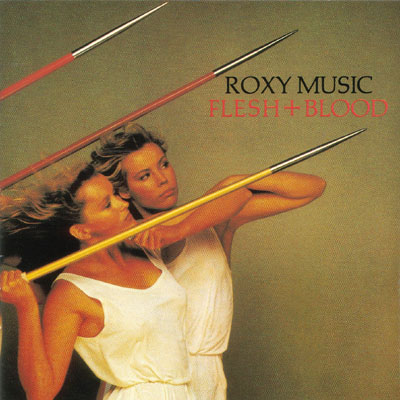
Roxy Music-Flesh + Blood


Originally Written and Posted at Epinions.com 6/25/09.


1979's Manifesto brought Roxy Music back to the music scene after a four-year hiatus between albums where the band took a break to venture on solo and side projects. After a successful tour, the band lost one of its key members in drummer Paul Thompson as he got himself injured in a motorcycle accident. Thompson decided to leave the band for a while but eventually, he never returned until 2001. Now a trio, vocalist Bryan Ferry, guitarist Phil Manzanera, and saxophonist Andy Mackay decided to continue with session musicians including keyboardist Paul Carrack and drummer Andy Newmark to help them work on their seventh album. Also helping them would be engineer Rhett Davies, who had worked with the band since 1976's live album Viva! as he decided to produce their new album entitled Flesh + Blood.

Produced by Rhett Davies, Flesh + Blood is an album that moves Roxy Music away from the dance aesthetics of their previous Manifesto for a fuller yet slicker sound that would come to fruition in an atmospheric quality for their next record Avalon. With a majority of songs written by Bryan Ferry plus three co-written with Phil Manzanera. The album features two covers by Wilson Pickett and the Byrds. While the record features material that reaches the level of the slickness that hindered Manifesto, Flesh + Blood does prove that Roxy Music still has a few ideas left.

The album opens with a cover of the famed Wilson Pickett classic In The Midnight Hour with a funky, arpeggio-laden guitar, a smooth bouncy rhythm, and Bryan Ferry's cool, crooning vocals. With Andy Mackay's blaring saxophone, it's a song that slows the tempo of the original just a bit as it's an excellent cover with a production that works. Yet, it's not entirely great since it doesn't live up to the exuberance of the Pickett classic. The single Oh Yeah is a wonderful ballad featuring a smooth, flourishing piano with Phil Manzanera's chiming guitar wails as Ferry sings softly in a cool vocal as he is accompanied by a melodic synthesizer riff. For its chorus, Ferry sings about the joy of a radio that exudes nostalgia. The electronic-driven Same Old Scene with its sputtering yet rhythmic drum machine, blaring synthesizer melodies, and washy guitars by Manzanera. It's a song that is a return of sorts for the band into the world of art rock. With Ferry's mesmerizing yet melancholic vocal with somber lyrics, it's one of the band's best cuts along with some great synthesizer accompaniment by Ferry along with a blaring saxophone from Mackay.

Flesh And Blood is a track that is led by Manzanera's driving guitar riff with a bouncy rhythm and loopy bass line. With Ferry singing in a snarling vocal and dark lyrics, the song is accompanied by a swooning synthesizer as it's an excellent though drags a bit in its presentation. My Only Love is a haunting yet rich ballad that features amazing production in capturing the elegance of the pianos and synthesizers along with smooth, pounding rhythms. With Ferry's seductive yet wailing vocal, it's a song that is filled with melancholia in its lyrics as it's chorus features a nice, bouncy drum fill by Andy Newmark. With Manzanera's wailing guitar solo and scratches, it's one of the band's most underrated cuts as it's a seductive yet haunting cut which includes a sensual saxophone solo from Andy Mackay. Over You is an amazing cut featuring an upbeat, bouncy rhythm led by a driving bass line and a melodic synthesizer flourish. With Ferry's cool vocals with its somber, enchanting lyrics. With Manzanera's arpeggio-laden guitar flourishes and blaring saxophones, it's one of the album's standout cuts.

Next is a cover of the Byrds' classic, Eight Miles High. While it's a more upbeat version with dance rhythms and disco bass lines, a disco version of a psychedelic song doesn't seem to work despite Manzanera's shimmering guitar solo with Ferry singing in a cool style with psychedelic-induced lyrics. While it's a risky attempt, it doesn't entirely work since the Byrds' version was this chaotic, trance-like sound as Roxy Music kind of made it a bit bland. Rain, Rain, Rain is another synthesizer-driven track with hollow beats and warbling bass lines. With a slow, turgid rhythm, it has Ferry singing in a snarling vocal with eerie, sexual-laden lyrics. With Manzanera's swanky guitar, it's a song that is OK but its rhythm tends to drag the song in a bad way.

No Strange Delight is a bouncy, mid-tempo track with striking synthesizer spurts, loopy bass lines, and Ferry's cool, crooning vocal. It's a song that harkens to some of the band's earlier, experimental work though it maintains a smooth sound that is a bit bland in some spots. Still, it does manage to have some inspiring arrangements with its synthesizers and an oboe from Andy Mackay. The album closer Running Wild opens with a melodic-arpeggio guitar track from Phil Manzanera as it is followed by a slow, steady drum fill and soothing bass line. With Ferry singing in his crooning style, it's filled with lyrics of innocence and teenage nostalgia as it's got great production though it's a bit dull despite a great saxophone solo from Andy Mackay as well as Manzanera's wailing guitar to close the album.

Released in May of 1980, the album peaked at #1 in the U.K. album charts that spawned two top 5 U.K. hits with Over You and Oh Yeah plus a top-20 U.K. hit with Same Old Scene. While the album also did moderately well in the U.S., the album was not well-received with critics and some fans who felt that the band was getting more commercial. Despite the criticism, the band continued to forge ahead where in early 1981, the band scored a UK #1 hit with a cover of John Lennon's Jealous Guy in tribute to the fallen music legend.

While it's a bit of improvement over their previous album Manifesto, Flesh + Blood is a very good record from Roxy Music. While there's moments of blandness and song that don't work entirely, it's record that does have its moments in its production plus a few singles and a great album cut. While it's really a transitional record of what is to come from the next album. It's an album that really showed the band moving away from the adventurous side of their earlier work for something more commercial though it works but not entirely. In the end, Flesh + Blood is mesmerizing though flawed album from Roxy Music.


(C) thevoid99 2011

Monday, May 9, 2011

Roxy Music-Manifesto


Originally Written and Posted at Epinions.com on 6/24/09.


The success of 1975's Siren helped Roxy Music reach a peak both creatively, critically, and commercially. Thanks in part to Bryan Ferry's cool persona as well as the musical talents of guitarist Phil Manzanera, saxophonist Andy Mackay, keyboardist/multi-instrumentalist Eddie Jobson, and drummer Paul Thompson. Roxy Music for that period seemed like the coolest band out there. Then in 1976 when the band was on tour, Bryan Ferry also achieved his first solo hit with Let's Stick Together as the band chose to go on a brief hiatus. With various members focusing on different projects, Ferry chose to keep his solo career going but he faced personal troubles in 1977 when longtime girlfriend Jerry Hall fell for legendary Rolling Stones singer Mick Jagger.

Heartbroken by Hall's departure, Ferry responded with The Bride Stripped Bare, an album that contained original material for the first time on album along with some covers. The record received a lukewarm reception critically and commercially in 1978 as Ferry decided to reform Roxy Music. Phil Manzanera, Andy Mackay, and Paul Thompson decided to join the reformation but keyboardist Eddie Jobson wasn't asked to return as he chose to work on other projects. During this reformation, the band found themselves out of place in the advent of the punk, post-punk music scene in the U.K. while in America, disco was ruling the charts. Seeing that artists like the Rolling Stones and Rod Stewart achieving success with disco songs, Roxy Music decided to jump ahead with the trend for their sixth studio release entitled Manifesto.

Produced and performed by Roxy Music, Manifesto is an album that features the band moving in transition as the adventurous art rock sound of their past recordings. With half of the songs written by Bryan Ferry, four of which were co-written with Phil Manzanera, and one with Andy Mackay. Featuring backing from several session musicians including future Squeeze/Mike & the Mechanics vocalist Paul Carrack on keyboards. The album showcases the band moving towards dance music as they go for more rhythmic textures and production scales that are more polished than previous albums. The result would be a decent though underdeveloped record from the legendary band.

The album's title track serves as the opening cut with its ominous bass line, slow yet steady drum fill from Paul Thompson, and an eerie synthesizer. With Manzanera's guitar arriving after a couple of minutes, Bryan Ferry starts to sing in his snarling croon with decadent lyrics as it maintains a bouncy presentation. Though the song does drag a bit as it makes a somewhat successful attempt for the band to delve into their art-rock sound. The single Trash arrives with Manzanera's washy, charging guitars with bouncy rhythms from Thompson's drums and melodic-blaring synthesizers. With lyrics about the new trends that are coming around in Britain, Ferry sings in a humorous vocal style with squealing saxophones from Andy Mackay along with scratchy guitars from Manzanera. It's a good song though its production is a bit flat in some parts. Next is the rhythmic single Angel Eyes in a remixed form than its more hollowed version in the original album version. With throbbing disco rhythms from its drums and bass, Mackay's swooning saxophone, and Manzanera's guitar. It's supported by flourishing synthesizers as Ferry sings in a crooning vocal style with lyrics about a woman's eyes as it's one of the album's best cuts.

Still Falls The Rain arrives with a swooning guitar solo from Manzanera and a slow, throbbing rhythm from Thompson's drums and bass. With Ferry singing in a crooning style, it starts out smooth until its chorus for a more bouncy rhythm with a horn section and backing vocal. With its arrangements to go for something more pop and quirky lyrics, it's a song that tries to be both arty and pop but doesn't mesh well along with its production where it sounds a bit rough. Stronger Through The Years opens with a slow keyboard riff from Paul Carrack as it features a smooth, bouncy rhythm with Manzanera's snarling guitar wail. With Ferry singing in a hollow vocal croon, its mix isn't very good as he tries to sing through some kind of distortion with nonsensical lyrics. It's a song that has a good presentation but doesn't work in mixing various styles as well as it's attempt to be arty.

Ain't That So features a swanky guitar riff along with Thompson's bouncy drum fills that picks its tempo a bit with Mackay's saxophone, a throbbing bass line, and then slows down when Ferry sings. With its cool, sensual-laden lyrics, it's a song that is filled with unique arrangements but there's part that lags in its performance while the production tries to be very slick which doesn't work. My Little Girl opens with an excellent, bouncy drum fill from Paul Thompson and Phil Manzanera's driving, washy guitar. Then the song goes into a more throbbing style that is almost in a disco style but with a slick production and keyboards that kind of makes the song bland. Even as Ferry sings in a crooning vocal with cool lyrics as it's a song that doesn't really work despite a great start. The single Dance Away, which appears in a remixed version than in the original album version, is a song that has Roxy Music delving a bit into disco. With its smooth, throbbing rhythm as it starts out smooth with Ferry's cool vocal with mesmerizing lyrics. Then the tempo picks up for its chorus with swooning piano and Manzanera's wailing guitars.

Cry, Cry, Cry is an upbeat song with a wailing horn section, bouncy rhythms that is nearly reminiscent of disco, wailing saxophones, and Ferry's soulful vocals that includes a group of backing vocalists singing in the chorus. While it has Ferry delving into some soulful territory, it's a song that kind of feels out of place with the record while it also tries to delve into many styles. The album closer Spin Me Round is a ballad that features Paul Carrack's somber keyboards and Ferry's soft vocals. With a smooth drum and guitar performance arrive, it's a song that has dreamy lyrics along with nice arrangements though it's production falters a bit along with an extended instrumental coda that doesn't really go anywhere.

Released in March of 1979, the album was a hit in the charts and with a mainstream audience in Britain while in the U.S., it peaked at #23 in the album charts. Despite its success due to its remixed singles for Dance Away and Angel Eyes, the album was not well-received with some critics and fans who felt that the adventurous side of the band's earlier work was traded for a bland sound to keep up with the times. Despite the criticism the band received, the band went on a successful tour for the record. After that tour, the band hit a road bump when drummer Paul Thompson injured himself in a motorcycle accident as he decided to leave the band for a while. Yet, the members of Roxy Music decided to forge on as a trio with various musicians backing them up as they're about to enter the 1980s.

While it's the weakest album in the band's rich discography of albums, Manifesto is still a decent record thanks to two fantastic singles (in remixed forms) and some inspiring performances. While its production either lags from being under-produced in spots to sometimes, very slick and bland. It's a record that shows a band having a bit of success in keeping up with the times though they lose some of their edge with this record. In the end, Manifesto is a record that has its moments but doesn't live up to the albums that preceded the great work from Roxy Music.


(C) thevoid99 2011

Sunday, May 8, 2011

Roxy Music-Siren


Originally Written and Posted at Epinions.com on 6/18/09.

After the release of 1974's Country Life, Roxy Music had finally achieved some recognition in the U.S. While they were still an established force in the U.K. where the glam rock music scene had died down. Roxy Music has managed to stray away from their glam look for something sophisticated with suits designed by Antony Price. With the rise of the band's success, singer Bryan Ferry, who had played the persona of a suave, sophisticated European which was meant to be ironic, was now taking on that role to a tilt as he was dating models and such including Texan model Jerry Hall who would be on the cover for the band's 1975 release entitled Siren.

Produced by Chris Thomas, Siren is an album that continues Roxy Music's unique art rock sound as the experimentation of earlier albums are now traded for a full-on sound of sophistication with more melodic sensibilities and tighter song structures. Wild some of the adventurous side of the past from guitarist Phil Manzanera, keyboardist Eddie Jobson, saxophonist Andy Mackay, and drummer Paul Thompson is still intact. The album also dabbles in various styles including funk that is provided by session bassist John Gustafson. With songs filled with odes to Ferry's girlfriend Jerry Hall, it also displays a sense of drama and humor that is prevalent in the band's previous albums. While not as adventurous as Country Life, Siren still shows Roxy Music taking their sophisticated art rock sound to new heights.

The album opener and leading single is Love Is The Drug that opens with sounds of footsteps and a thumping bass line with spurting saxophones from Andy Mackay as motorcycles start to growl. With its bouncy rhythm from drummer Paul Thompson and John Gustafson's bass along with Phil Manzanera's swanky guitar riffs. Bryan Ferry in his cool, crooning vocal style with playful lyrics about love and its oozing powers. With solos from Mackay's wailing saxophone and Manzanera's charging guitar solos, it's one of the band's most quintessential moments. End Of The Line is a mid-tempo track led by Eddie Jobson's swooning piano flourish and a harmonica solo that features a nice groove in its smooth, mid-tempo rhythm. With Manzanera on an acoustic guitar, it's a song that has Ferry showing a great display of vocal power as he plays the seducer with some cool, melancholic lyrics. With Mackay's soothing saxophone matched with Jobson's violin, it's a song that is supported by Chris Thomas' crisp, swooning production as he captures a richness in the performance from the band.

Sentimental Fool arrives with a sound of soft, melodic-swirling synthesizers and fuzzy guitar drones as it features hollow bass lines. Starting off as an instrumental piece for more than two-and-a-half minutes, Thompson's smooth, steady drum performance help make way for Ferry's arrival. Singing in a crooning, falsetto vocal style, it's a song that is about a heartbroken fool as it delves into a smooth, funky presentation with Mackay blasting a smooth saxophone track in the song as it maintains a smooth presentation with Manzanera's sneering guitar. Whirlwind is an upbeat rocker with shimmering guitars and crashing drums from Paul Thompson as it plays up as a driving rocker with Ferry singing in a wailing vocal style with crazy, imagery-laden lyrics. With Manzanera's blazing guitar and Jobson's swooning synthesizers along with thundering bass lines, it's a full-on rocker that gives Manzanera a chance to shine. She Sells is an upbeat track with Jobson's melodic-flourish piano, bopping bass lines, and bouncy beats. With Jobson's swooning violins, Ferry sings in a playful croon with lyrics of partying and the nightlife. With its arrangements from straight-ahead funk to a slow, bouncy funk style, it shows the band delving into a unique style thanks to its complex musical approach from co-writer Eddie Jobson.

Could It Happen To Me? is a smooth, thumping ballad of sorts with Jobson's smooth piano as the tempo picks up bit with Manzanera's swanky guitar washes and wailing solos. With Ferry singing in a smooth vocal style as he sings about being dumped as he is supported by a bouncy rhythm that includes Mackay's wailing saxophone. Both Ends Burning opens with warbling sounds of synthesizers that become a smooth accompaniment for this up-tempo, funky song driven by Gustafson's driving bass and Thompson's swift drums. With Ferry's crooning vocals as he sings lyrics delving in having a good time, it's a song that features Mackay playing a blazing saxophone solo and Manzanera driving guitar.

Nightingale starts out as a ballad of sorts as it is led by Manzanera's washy acoustic-electric guitar as he is followed by a smooth bass line. Then comes Thompson's bouncy, mid-tempo drums with sputtering bass lines and washy guitars with Ferry singing in a cool, crooning vocal style. With Jobson's striking keyboards and somber lyrics driving the song, it features some complex arrangements from Phil Manzanera as Mackay plays an entrancing oboe in the middle of the song. The album closer Just Another High starts out as a dreamy ballad with washy guitar riffs and Ferry's somber vocals filled with melancholic lyrics. With Thompson's hard-hitting, pounding drums arriving, it's a song that revels in a full sound of bass, keyboards, and guitars as Ferry's vocals is filled with desperation and sadness. Even as it is supported by Manzanera's melodic-flourishing guitar wails and Mackay's soothing saxophones, it's a fitting closer to the album.

Released in October of 1975, the album was a huge hit thanks to the single Love Is The Drug that gave the band their first major U.S. hit. The band went on tour for a year as they were now bigger than ever while Bryan Ferry scored a solo hit with the single Let's Stick Together. In 1976, the band released the live album Viva! where after the tour to support Siren. The band chose to take a break though the official statement was that they broke up. In reality, Ferry wanted to capitalize on his newfound solo success while giving other members a chance to do their own thing for a while. Yet, this two-year break for the band would prove to be crucial as music trends were changing at a rapid pace.

While it may not have some of the unpredictable elements or consistency of previous albums. Siren is still a brilliant, well-made album from Roxy Music thanks to Chris Thomas' superb production and the tight musicianship between the members of the band. With elements of funk mixed in with their art rock sound, this record is the band's most accessible record among the first five albums they made from 1972 to 1975. Notably for the single Love Is The Drug which is currently, a classic rock staple. In the end, Siren is an enjoyable, good-time album from Roxy Music.


(C) thevoid99 2011

Tuesday, May 3, 2011

Roxy Music-Country Life


Originally Written and Posted at Epinions.com on 6/17/09.


After the release of Stranded in November 1973, Roxy Music proved that they can survive without original keyboardist Brian Eno as Eddie Jobson provided new dimension to the band's sound. After a tour to promote the album that yielded the top-10 U.K. hit song Street Life, Roxy Music was clearly moving into a new direction. Even as the band's vocalist and main songwriter Bryan Ferry was starting to get more help in the writing from members such as Jobson along with saxophonist Andy Mackay and guitarist Phil Manzanera. With drummer Paul Thompson, the band returned to the studio in the summer of 1974 to record their fourth and most consistent record to date called Country Life.

Produced by Roxy Music and John Punter, Country Life is a sprawling yet dark album that shows the band finding a balance with the wild experimentation of their first two albums with Brian Eno as well as the sophisticated, fully-realized song craftmanship of their last albums and later records that would come. With songs written by Bryan Ferry with two songs each co-written by Andy Mackay and two more with Phil Manzanera. It's a record that is wild in its performance and musicianship along with songs that features themes about decadence, women, and escapism. The result would be the band making their first real great album with Country Life.

The album opener The Thrill Of It All is a fierce number with hard-hitting drums from Paul Thompson, driving guitar riffs from Phil Manzanera, Eddie Jobson's melodic piano flourish and wailing synthesizers. Along with wobbly, swift bass lines, Bryan Ferry sings in a smooth croon as he is accompanied by Jobson's swooning violins. With its decadent, nightlife lyrics and a section where the song slows down a bit, it returns to that fierce sound carried by an array of sounds including Andy Mackay's spurting saxophones. Three And Nine is a bouncy beat that features a smooth, bopping mid-tempo rhythm and spurting sounds of Mackay's oboe and Ferry on a harmonica. With Manzanera's washy guitar, Ferry delves into his crooning vocal persona with stylish lyrics about the nightlife as it features a soft, swooning keyboard by Jobson. With its rich, crisp production, it's a track that plays to its sophisticated feel while the song's co-writer Andy Mackay displays his talents with the oboe and saxophone.

All I Want Is You is a blazing, charging rocker with powerful drums by Thompson and driving guitar growls from Manzanera. With Ferry singing in a powerful, crooning vocal style about a woman he just wants. It's a song that is filled with amazing production that is layered to complement the wild performances in guitars, bass, drums, and keyboards as Manzanera takes charge with his wailing guitars. Out Of The Blue arrives through a rising mix of wobbly bass, steady mid-tempo drums, swooning synthesizers and screeching violins by Eddie Jobson. The tempo picks up a bit with a striking piano as Ferry sings in a crooning vocal style filled with lyrics filled with paranoia and sadness. The song moves back and forth into different sections as includes a bass solo from John Gustafson along with Manzanera's wailing guitar in this abstract yet amazing cut. If It Takes All Night is a bouncy number led by a bluesy piano and clap-like rhythms with Manzanera playing country-like guitar wails. With Ferry's smooth, crooning vocals filled with sexual-laden lyrics, he also plays a harmonica solo as the band delves into the blues with style with wailing saxophones and striking pianos.

The album's big centerpiece is Bitter-Sweet, a haunting ballad of sorts that revels in European decadence. With a melodic bass accompaniment and an eerie piano track with slow, chilling beats from Paul Thompson. It's Ferry's eerie vocals that is sung in a crooning style that is its highlight as he's accompanied by bass, drums, and piano. Then the song goes into a thunderous section with growling guitars and Ferry singing in a snarling vocal style that slows down with Mackay's somber saxophone style. The song moves back and forth in its presentation from a slow, ballad-like arrangement to something more eerie in which Ferry would sing that section in German. Triptych opens with a harpsichord solo from Eddie Jobson as he is accompanied by pounding bass drums from Thompson. With melodic guitar flourishes from Phil Manzanera, Ferry's vocals delve into various styles as it features layers from its production as it is filled with dark lyrics as Mackay accompanies the vocals with an oboe.

Casanova is a funky, bopping track with charging rhythms from Paul Thompson's smooth, rumbling drums and Jobson's bouncy performance on the keyboards. With Manzanera's swanky guitars, Ferry sings in a crooning vocal style about the famed Casanova as it features wailing saxophones and soothing keyboards. A Really Good Time arrives with Jobson's ominous violins and Mackay's soothing saxophone as Ferry arrives with his somber vocals as he is accompanied by a smooth piano. With its lyrics of escapism and wanting a good time, Ferry is accompanied by Thompson's smooth, cadence-like drums and waa-waa guitar riffs from Manzanera's as it's a wonderful piece showcasing the band's sophisticated sound. The album closer Prairie Rose is an upbeat song with bouncy beats, shimming bass lines, Manzanera's driving guitars, and Mackay's wailing saxophone spurts. With Ferry singing in his cool vocal style, it's a song about his then-girlfriend, model Jerry Hall. With Mackay's wailing saxophones and Manzanera's blazing guitar solos, it's a song that is all over the place but giving each member a chance to perform as it's a fitting closer to the album.

Released in November of 1974, the album drew rave reviews from critics as it peaked at #3 in the U.K. album charts. The band also finally achieved some considerable success in the U.S. as the album made it into the top 40. At the same time, the band drew controversy over its album cover that featured two scantily-clad women on the cover. The album cover was banned in the U.S. and a few countries for a few years with an alternate version of the cover just featuring the background the women were standing behind. Despite the controversy, it helped Roxy Music's profile in America while in the U.K., they were now part of the rock establishment as they were sporting suits and clothing by their fashion specialist Antony Price.

Country Life is a sprawling, haunting, yet mesmerizing masterpiece from Roxy Music. Of the records they've made in their career, this is the album that channels the balance between the experimentation of their earlier work and the sophisticated soundscapes of later albums. Thanks to some amazing production and a musicianship that is very tight, it's a record that is filled with diverse song styles ranging from wild and chaotic to dark yet fascinating. In the end, Country Life is an amazing album from Roxy Music.


(C) thevoid99 2011

Sunday, May 1, 2011

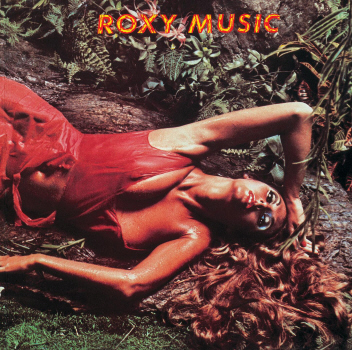
Roxy Music-Stranded


Originally Written and Posted at Epinions.com on 6/15/09.


After the release of the band's second album For Your Pleasure in March of 1973, Roxy Music was continuing its wave of success. Unfortunately, the band lost one of its key members when original keyboardist Brian Eno decided to leave the band due to creative and control issues with vocalist/keyboardist Bryan Ferry. Eno's departure put the band on hold as members of the band worked on Eno's solo album while Ferry did a solo album of his own of standards. The band eventually found a replacement in 19-year old multi-instrumentalist Eddie Jobson who had previously been a member of the progressive rock group Curved Air, that would later feature future-Police drummer Stewart Copeland. Along with guitarist Phil Manzanera, saxophonist Andy Mackay, and drummer Paul Thompson, the band regrouped to make their third album that would mark a departure from the band's earlier work with Eno entitled Stranded.

Produced by Chris Thomas with several songs written by Bryan Ferry featuring two songs co-written each with Phil Manzanera and Andy Mackay. Stranded is an album that shows Roxy Music in transition. Moving away from the early experimentations of the first two albums they did with Brian Eno. Taking on a more sophisticated sound that would define their later work, it's an album that shows the band in transition as Eddie Jobson adds more broader sounds with Phil Manzanera and Andy Mackay each taking part in shaping the sound for the band. The result is an excellent record from the band.

The album opener is its leading single Street Life, a song that opens with warbling, hollow sounds of synthesizers and guitars that later becomes this charging, upbeat track led by Paul Thompson's hard-hitting drums. With Bryan Ferry's snarling, crooning vocals filled with angry lyrics, it's a song that is filled with humor along with Phil Manzanera's wailing guitar screeches. Along with Eddie Jobson's melodic-wail riffs on the keyboards, it's a song that reminds audiences of the band's earlier sound but with a fuller sound from producer Chris Thomas. Just Like You features Ferry singing in a falsetto-like croon for the song's mid-tempo ballad as he is accompanied by smooth rhythms and Jobson's melodic-flourish piano. With its somber lyrics, it's a wonderful ballad that includes a wailing guitar solo from Manzanera.

Amazona opens with funky guitar riffs from Manzanera followed by a wobbly bass and a smooth, vibrant drum fill from Thompson. With Ferry's smooth, raspy croon vocals that is supported by Manzanera's funky, rumbling arrangements. With its imagery-laden lyrics to a woman, the song shifts into an arrangement that slows the song down a bit due to Manzanera's shimmering guitar mixed in with Thompson's rumbling drums, Andy Mackay's soft, wailing saxophone, and Jobson's warbling keyboards. Even as the song delves into different sections which allows Manzanera's talents to shine along with Jobson providing some wonderful keyboard work. The eight-minute Psalm is a piano ballad of sorts led by Ferry's straightforward vocal delivery with his haunting yet spiritual-laden lyrics. With Thompson's slow but hollow drum fills and Jobson's somber piano flourishes, funky bass and guitar riffs arrive along with Mackay's saxophone. The song starts to gain momentum though its slow tempo is still intact. Even with Mackay's blaring saxophone, Manzanera's country-flavored guitar riffs, and a huge choir performance from the London Welsh Male Choir appears for the song's coda.

Serenade is an upbeat, rich song with sprawling sounds in the production from the hollow drum deliveries, wailing guitars and saxophones, and Jobson's striking piano. With Ferry's crooning vocals filled with seductive lyrics, it's one of the album's standout cuts that shows the band delving into tighter arrangements in terms of song craft and such while being adventurous with Manzanera's guitar and its arrangements. A Song For Europe is a ballad of sorts led by Jobson's piano and Manzanera's melodic guitar riff. With slow, powerful beats by Thompson, it's Ferry's dark crooning vocals with its decadent lyrics that take charge along with the song's co-writer Andy Mackay's eerie saxophone. Even as the song delves into a section led by Jobson's wavy synthesizer that is followed by a sensual saxophone solo from Mackay that later becomes wild with Ferry singing quietly in French.

Mother Of Pearl starts off as an upbeat song with bouncy rhythms and funky guitar riffs with Ferry singing in varied vocal styles with snarls along with nonsensical lyrics. After less then a minute and a half, the song slows down into a mid-tempo track with funky guitar riffs and a bopping bass line along with striking pianos. With Ferry singing in a normal, crooning vocal with humorous, quirky lyrics. It's a song that revels in the band's experimentation while taking on weird arrangements as the musicianship between the band is very strong along with Chris Thomas' sparse production. The album closer Sunset is a ballad led by Jobson's somber, melodic-driven piano as it accompanies Ferry's smooth, crooning vocals. With its imagery-laden lyrics, the song features a rich production that includes Jobson's melodic-flourishing piano and harpsichord-like keyboards as it's a fitting closer to the album.

Released in November of 1973, the album drew excellent reviews and sales thanks in part to the single Street Life which was a UK top-ten hit. The album also received praise from its former keyboardist Brian Eno who was already working on a solo career. The band toured to promote the record as they were moving away from the glam rock image they had attained in the first two records for something more sophisticated. At the same time, it was clear that they were now in transition as the band were already big in Britain but in the U.S., they weren't very well known as it would all change with their next album Country Life.

While it may not reach the consistency or wild experimentation of the band's first two albums with Brian Eno. Stranded is still a well-made album from Roxy Music thanks to Eddie Jobson's contributions in giving the band a new dimension into their sound along with Chris Thomas' sparse yet sophisticated production. While the album is really a transitional record that strays from the earlier experimental work with Eno that would give into a tighter, well-crafted sound that would be prominent in the next two albums the band would have with Eddie Jobson. Stranded is still a fun, adventurous, and sophisticated album by Roxy Music.


(C) thevoid99 2011

Friday, April 29, 2011

Roxy Music-For Your Pleasure


Originally Written and Posted at Epinions.com on 6/10/09.


The release of Roxy Music's 1972 self-titled debut album that featured the single Virginia Plain was a huge surprise hit for the band at a time when glam rock was ruling the charts. Yet, the band's unique look into the glam rock scene made them part of the movement as it was led by its songwriter/vocalist Bryan Ferry. Along with guitarist Phil Manzanera, saxophonist Andy Mackay, drummer Paul Thompson, and keyboardist Brian Eno. The band's debut album was clearly raised their profile as they were getting attention for their unconventional art-rock/glam rock sound as well as their lavish look. After a tour supporting the record in their native Britain, the band returned to the studio in early 1973 to make their second album with a new producer in Chris Thomas, a man who would be one of their key collaborators in the years to come.

Produced by Chris Thomas, John Anthony, and Roxy Music with songs written by Bryan Ferry. For Your Pleasure is an album that takes the band's sound from their debut album to broader territory in terms of its production and experimentation. With songs dealing with sex, romance, and other themes. Featuring John Porter playing bass on the album, the album would be the last record that would feature original keyboardist Brian Eno whose experimental work with tapes, synthesizers, and other electronic devices would help add a dose of adventure into the record. The result would be one of rock's most daring records of its time.

The album opener Do The Strand, a song that is about a new dance craze led by a striking, upbeat piano performance by Bryan Ferry as he sings in his crooning vocal. With Paul Thompson's upbeat, charging drums with Phil Manzanera's guitar and Andy Mackay's wailing saxophone. The song features some quirky lyrics and an intensity that drives the song with Ferry's playful vocals as it also features a brief, instrumental break by its guitars and saxophones along with Eno's shimmering noise treatments. Beauty Queen opens with Eno's warbling synthesizer track that becomes a smooth, mid-tempo track with Thompson's and John Porter's swooning rhythm and Eno's keyboards. With Ferry's crooning vocals taking charge, the song is an ode to the beauty queens of the world in all of its playfulness. The song's tempo picks up a bit with its wailing sounds of noisy guitars and synthesizers as it squeals through the song for its instrumental section.

Strictly Confidential opens with sounds of a low, baritone saxophone sound and an oboe as it accompanies Ferry's cabaret-style vocals. Thompson's drums starts to appear for this smooth, low-tempo ballad of sorts with swooning keyboard melodies playing to Ferry's vocals filled with dramatic lyrics. With Manzanera's wailing guitar plays along to the song's moody presentation, it's a song that delves into atmosphere as it shows the band's ability to be adventurous. Editions Of You starts off with a playful keyboard solo that leads the charging, upbeat track with driving guitars, hard-hitting drums, and striking keyboards. With Ferry's playful crooning vocals filled with salacious lyrics about women and their identities. The song is a full-on jam of experiments from Mackay's wailing saxophones to Eno's squealing synthesizers.

In Every Dream Home A Heartache is a dark, eerie track featuring haunting keyboards, melodic guitar swirls, and Ferry's soothing yet seductive vocals with lyrics about a blow-up doll in all of its description. At five-and-a-half minutes, it's a song that's about atmosphere as each word plays up to its creepy tone. After three minutes of its trance-like presentation, drums appear for this dramatic yet intense jam of guitars, drums, and synthesizers as it would fade-out only to reappear due to Eno's treatments on tape machines. The nine-minute, twenty-one second The Bogus Man is an experimental suite with John Porter's bouncy bass line and Paul Thompson's steady drum beat. With Eno's wailing noises of synthesizer squeals and Mackay's soothing saxophone wails, it's a song that is truly experimental as it features Ferry singing in some falsetto vocal styles. With its creepy, idiosyncratic lyrics, it's a song that shows the band being adventurous as it features Manzanera playing some swanky guitars as it maintains a steady presentation.

Grey Lagoons is a playful, mid-tempo song with Ferry's flourishing piano accompanying his crooning vocals. With a bouncy rhythm led by Thompson's drums and Porter's bass, it's a song that starts out smoothly as it includes Manzanera's drums and Ferry's vocals filled with playful, quirky lyrics as the tempo changes to something upbeat with swanky guitars and Mackay's wailing saxophone as it returns to its bouncy arrangement from Ferry's harmonica. The album closer is its title track, a near-seven minute track with Thompson's smooth, rumbling bass and tom-tom drums and Ferry's soothing, seductive vocals filled with sexually playful lyrics. With Manzanera playing a melodic-twanging guitar solo, it's Ferry on piano that continues to drive the song as it maintains a sense of playfulness but also something daring. With Manzanera's wailing guitar along Thompson's drumming for an extended instrumental suite, it's Eno's swirling electronic treatments that take charge for the suite as it closes the album.

Released in late March of 1973, the album drew rave reviews from critics as it was accompanied by the non-LP single Pyjamarama. After its release, tension between Bryan Ferry and Brian Eno reached its breaking point over control and creative issues. While band members did agree with Eno on Ferry's dominance in the band, they chose to stay in the band with Eno deciding to quit for good for a very successful career as a multi-media artist, record producer for acts like U2, Talking Heads, David Bowie, and many others along with his own work as a solo artist in which he would create ambient music. While the album became a hit, Eno's departure definitely left a huge void left in the band as they continued to move forward for the next several months as they found a new keyboardist in multi-instrumentalist Eddie Jobson of Curved Air for their third album Stranded released in November of 1973.

For Your Pleasure is a brilliant album from Roxy Music thanks in part to Chris Thomas' superb, structured production as well as the band's balance from strong musicianship and experimentation. While it may not have the free-wielding approach of its debut, it's a record that is definitely daring thanks in some respects to the talents of original keyboardist Brian Eno. In the end, For Your Pleasure is a wild, mesmerizing, and fun album from Roxy Music.


(C) thevoid99 2011

Tuesday, April 26, 2011

Roxy Music-S/T


Originally Written and Posted at Epinions.com on 6/7/09.


When the 1970s arrived into the world of pop music, a slew of new bands were starting to push the boundaries of rock n' roll. Taking on new themes with looks that were very different from the 1960s. These bands were shaping rock into something new whether it was the progressive rock acts like Emerson, Lake, and Palmer, Yes, Genesis, and King Crimson. Yet, in another world of experimental music, there was art rock from people like David Bowie and Pink Floyd that added something different from the complex sounds of progressive rock. Another band that fell into the world of art rock was a band that wouldn't just change the face of popular music for an entire decade. They would help spawn countless bands ranging from punk, new wave, and experimental music. They were simply called Roxy Music.

Formed in 1970, the band was led by a vocalist named Bryan Ferry who sent an advert to form a band. Answering to the ad were a bass player named Graham Simpson and on saxophone and oboe, Andy Mackay. Mackay brought in a friend of his who was interested in avant-garde music while owning some tape machines and knew how to operate a VCS3 synthesizer that Mackay owned. His name is Brian Eno, who was supposedly one of the first people to buy the very first album by the Velvet Underground when it first came out. By 1971, the band found a permanent drummer in Paul Thompson and later in the year, they met a gifted guitarist in Phil Manzanera who officially joined the band in 1972 after being a roadie for a few months. Around the time of Manzanera's official placement in the band, Roxy Music signed a deal with EG management to record the band's seminal 1972 self-titled debut.

Produced by King Crimson lyricist Pete Sinfield and songs written by Bryan Ferry. Roxy Music's self-titled debut release is an album filled with an array of sounds that would define the band for the next few years. Filled with elements of glam rock along with experimental approach of the band's keyboardist Brian Eno along with wailing sounds of Andy Mackay on oboe and saxophone. It's a record that is daring yet all over the place with lyrics filled with post-modern references to pop culture and other themes. The result would be one of the most seminal debut records ever made.

The album opener Re-Make/Re-Model, a song filled with various riffs and melodies from other song done in an arty, deconstructed presentation. With a bouncy rhythm from drummer Paul Thompson and bassist Graham Simpson along with Bryan Ferry's accompanying piano as he sings lyrics about reinvention and women with Phil Manzanera's wailing guitar and Andy Mackay's spurting saxophones. With Brian Eno's fuzzy treatments on the electronics including Manzanera's guitar, the song features riffs and lines from various pop songs in Manzanera's guitar, Simpson's bass line, and Eno's wailing, fuzzy synthesizers. Ladytron opens with Eno's swirling synthesizer screeches as it builds up along with Mackay's swooning oboe accompaniment. With Ferry's crooning vocals leading the way with a bouncy, mid-tempo rhythm. With its groove-laden bass lines and somber piano flourishes, it features an instrumental suite of pounding drums and wailing oboes. With its lyrics about a woman, it's a song that is all over the place making it one of the band's most famous songs.

If There Is Something is a bouncy, upbeat song with country-laden guitar riffs from Phil Manzanera along with honky-tonk pianos from Ferry. With Ferry's crooning vocals and its smooth, bouncy rhythm, it's a playful song that features Manzanera's versatility on guitar as he's followed by Mackay's swooning, melodic-flourishing saxophone that sounds like a guitar. Lyrically, the song delves into sexuality and desperation as it features warbling electronic treatments from Eno in its extended instrumental suites. The non-LP single Virginia Plain, which was included into later editions of the album, is one of the band's most quintessential statements. Opening with a fuzzy mix of flourishing pianos and guitars, it goes into a full-sound with its upbeat rhythm, Ferry's playful vocals filled with whimsical lyrics, and Mackay's wailing oboes. With Rik Kenton on bass, the song features a wailing guitar solo from Manzanera that is followed by Mackay's screeching saxophone along with Eno's warbling synthesizer right near the end of the song.

2 H.B. is a piano ballad with Eno's smooth, swirling synthesizer melodies and a smooth, bouncy rhythm from Paul Thompson's drums and Graham Simpson's bass. With Mackay's swooning saxophone, it's a song that has Ferry in his crooning vocal style with a reference to the film Casablanca with its famous line "Here's looking at you, kid" in the chorus. With its soothing presentation led by MacKay's saxophone and Manzanera's melodic guitar arpeggios, it's one of the band's standout cuts from their debut. The Bob (Medley) opens with a momentum-building synthesizer track that becomes this mid-tempo song with Ferry's wailing vocals, growling guitars, and hard-hitting, charging beats. With Ferry's whimsical lyrics filled with pop art references, the song then turns into a weird suite of noisy, distorted electronics and Mackay's swooning saxophone. With Ferry's striking piano, the song goes into another rhythm as it's a song that plays with structure and tempos with each member given a chance to show their talents.

Chance Meeting is a piano ballad with a slow, melodic flourish on the piano with Ferry's crooning vocals singing along to lyrics of a night meeting between lovers. With Mackay's warbling saxophone that features some reverb treatment from Brian Eno and Manzanera's shimmering guitar. The song is a mixture of a traditional ballad with a dose of experimental minimalism that would later define the solo work of Brian Eno in the years to come. Would You Believe? is a mid-tempo track with a smooth rhythm and Ferry's crooning vocals accompanied by his own piano. With Mackay's wailing saxophone, the song's tempo starts to change by Thompson's charging drums, Mackay's blistering saxophone, and Manzanera's guitar. With Ferry's dramatic lyrics, the song becomes a full-on jam as it changes tempo from rocking to trance-like.

Sea Breezes is a song that starts off as a ballad led by Ferry's somber vocals filled with melodramatic lyrics that features some of his amazing vocal work. With Ferry accompanying himself on a quiet keyboard track along with Mackay's eerie oboe track and Manzanera on guitar. Then comes Paul Thompson's snare-filling drums and Simpson's wobbly bass as it becomes a bouncy, mid-tempo track with Manzanera's screeching guitar as it returns to its opening ballad presentation. The album closer Bitters End is a playful track with Thompson's array of percussions with castanets and bells accompanying Ferry's crooning vocals filled with romantic lyrics as he's later accompanied by Mackay's soothing saxophone. With Eno accompanying Ferry on vocals, the song then features an array of sounds from Eno as Ferry sings to close the song.

Released in June of 1972 at the time glam rock was becoming very popular thanks to the likes of David Bowie, Marc Bolan & T-Rex, and Gary Glitter. Though the band's bassist Graham Simpson left before recording was finished, the band would bring in Rik Kenton to fill in though they would never have a permanent bass player throughout their career. By the time the band released the single for Virginia Plain, the band was on the famed Top of the Pops with a lavish, glam rock look that made them standout garnering the band their first major hit. With Ferry sporting a Teddy-boy hairdo, Phil Manzanera wearing huge sunglasses, and Brian Eno looking like the most androgynous member of the band. They were definitely becoming one of the most exciting new acts in Britain.

Roxy Music's debut album is clearly one of rock's most exciting and original debut albums ever made. Fans of glam rock will no doubt consider this as one of the defining records of the genre while for those new to Roxy Music will see this as a worthy introduction. Especially to the groundbreaking work in electronics from keyboardist Brian Eno. The album itself is truly original while wildly adventurous with unconventional song structures, themes, and experimentations that will definitely drive the most conventional listener made. In the end, Roxy Music's self-titled debut is truly one of the 1970s most daring and strangest records of its time.


(C) thevoid99 2011